How I Beat Insomnia Fast—What Changed My Sleep Forever
Struggling with sleep felt like being stuck in a loop—tossing, turning, and dreading another tired day. I tried everything, but nothing worked—until I looked at food differently. What I discovered wasn’t a miracle, but a game-changer: simple dietary shifts that actually helped me fall asleep faster and stay asleep longer. No pills, no strict rules—just real, doable changes that fit my life. Over time, I learned that what I ate wasn’t just fuel for the day; it was preparation for the night. My energy, mood, and even mental clarity improved as my sleep stabilized. This journey wasn’t about drastic overhauls, but about understanding how everyday choices quietly shape rest. And once I saw the connection between my plate and my pillow, everything began to shift.
The Hidden Link Between Food and Sleep
Sleep problems are often treated as purely behavioral or psychological, but a growing body of research shows that diet plays a foundational role in sleep quality. Many people overlook the powerful influence food has on the brain’s ability to transition into restful states. Insomnia isn’t always about stress or screen time—sometimes, it’s rooted in what’s on your dinner plate. The digestive process, blood sugar regulation, and neurotransmitter production are all deeply tied to the foods we consume, and when these systems are out of balance, sleep suffers.
Blood sugar fluctuations, for example, can cause nighttime awakenings. When you eat a meal high in refined carbohydrates or sugar, your blood glucose spikes rapidly. In response, the body releases insulin to bring levels back down. But if insulin brings glucose too low, especially during the night, it can trigger the release of stress hormones like cortisol and adrenaline. These hormones are designed to wake you up—literally. That sudden jolt at 2 a.m., heart racing for no apparent reason? It could be a blood sugar crash, not anxiety. This cycle often goes unnoticed, yet it’s a common reason people struggle to stay asleep.
Digestion also plays a key role. Eating large or heavy meals close to bedtime forces the body to remain active when it should be winding down. The gastrointestinal tract continues working, which can lead to discomfort, acid reflux, or disrupted sleep architecture. Even mild indigestion can fragment sleep, reducing the amount of restorative deep sleep and REM cycles. For women over 30, especially those experiencing hormonal shifts, digestion can slow, making late eating even more disruptive.
Perhaps most importantly, food directly influences the brain chemicals that regulate sleep. Serotonin, often called the “feel-good” neurotransmitter, is a precursor to melatonin, the hormone that signals it’s time to sleep. About 90% of the body’s serotonin is produced in the gut, and its synthesis depends on adequate intake of certain nutrients, especially tryptophan—an amino acid found in protein-rich foods. Without enough tryptophan, and the supporting nutrients like vitamin B6, magnesium, and zinc, the body struggles to make enough melatonin. This means that even if you follow perfect sleep hygiene, poor nutrition can still block your ability to fall and stay asleep.
My Breaking Point: When Insomnia Took Over
For years, I blamed my insomnia on a busy schedule and an overactive mind. I followed all the standard advice: no screens before bed, consistent bedtime, relaxing teas. But nothing helped. I’d lie awake for hours, exhausted but unable to quiet my thoughts. The turning point came after a particularly rough week when I averaged less than five hours of sleep. I was irritable, forgetful, and constantly reaching for coffee. One morning, after nodding off during a work call, I realized this wasn’t sustainable. I needed to look deeper.
That’s when I started tracking not just my sleep, but my meals. I kept a simple journal for two weeks, writing down what I ate, when I ate it, and how I slept. The patterns were eye-opening. On nights when I had a light, carb-heavy dinner—like pasta or takeout—I either struggled to fall asleep or woke up around 3 a.m. restless and thirsty. On nights when I skipped dinner due to being too tired to cook, I’d snack late on crackers, cheese, or chocolate, which left me feeling bloated and alert.
I also noticed how caffeine affected me. I thought I was being careful—I stopped coffee at noon—but I hadn’t considered that black tea and dark chocolate also contain caffeine. Even small amounts, consumed late in the day, were likely contributing to my nighttime alertness. What surprised me most was the emotional eating. Stressful days often ended with mindless snacking, usually on sugary or salty processed foods. These foods gave a brief sense of comfort but disrupted my sleep later. I began to see that my food choices weren’t just about hunger—they were tied to my energy, emotions, and, ultimately, my ability to rest.
It wasn’t one single habit that was breaking my sleep—it was the combination. Late eating, poor food quality, and hidden stimulants were all working against me. Once I recognized this, I stopped seeing sleep as a separate issue and started viewing it as part of a larger system. My body wasn’t failing me; it was responding exactly as it should to the inputs I was giving it. That realization shifted everything. Instead of fighting my insomnia, I could start supporting my body in a more compassionate, effective way.
Diet Swaps That Actually Worked (No Gimmicks)
The first change I made was simple: I stopped skipping dinner. It sounds counterintuitive, but when I skipped a proper meal, I was more likely to overeat later on foods that disrupted sleep. Instead, I committed to eating a balanced dinner, even if it was small. This meant including protein, healthy fats, and complex carbohydrates. For example, I replaced a sugar-laden pasta dish with grilled salmon, roasted sweet potatoes, and steamed broccoli. This combination kept my blood sugar stable and provided the building blocks for sleep-supportive neurotransmitters.
Protein became a key focus. Foods like chicken, turkey, eggs, and Greek yogurt are rich in tryptophan. When eaten with a source of complex carbohydrates—like oats, quinoa, or sweet potatoes—tryptophan is more easily absorbed into the brain. The carbs trigger a small insulin response that helps clear competing amino acids from the bloodstream, allowing tryptophan to cross the blood-brain barrier. This natural process boosts serotonin production, which later converts to melatonin. I didn’t need supplements—I just needed to eat real food in the right combinations.
Magnesium was another game-changer. This mineral is involved in over 300 enzymatic reactions in the body, including those that regulate the nervous system. Low magnesium levels are linked to increased anxiety, muscle tension, and poor sleep. I started incorporating more magnesium-rich foods like spinach, pumpkin seeds, almonds, black beans, and avocado. A small handful of pumpkin seeds as an afternoon snack became a ritual. Within a week, I noticed I felt calmer in the evenings, and my muscles didn’t tense up as much before bed.
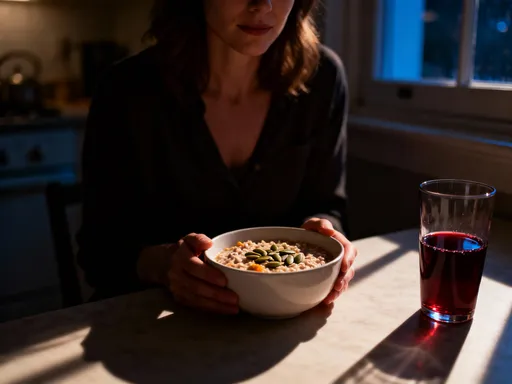
I also changed my attitude toward carbohydrates. For years, I’d avoided carbs at night, fearing weight gain. But I learned that complex carbs can actually promote sleep by enhancing tryptophan uptake. The key is choosing whole, unprocessed sources. Oats, brown rice, and whole grain bread—especially when paired with protein—helped me feel satisfied without spiking my blood sugar. I began having a small bowl of oatmeal with almond butter and banana a few nights a week. It became my favorite pre-bed ritual—comforting, nourishing, and surprisingly effective at helping me fall asleep faster.
Timing Matters More Than You Think
Even with the right foods, timing can make or break your sleep. I learned this the hard way after eating a large dinner at 8:30 p.m. and lying awake, uncomfortably full, at 10:30. That’s when I adopted the 3-hour rule: no food within three hours of bedtime. This gave my body enough time to begin digestion before lying down. Not only did this reduce nighttime discomfort, but it also supported deeper sleep. When the digestive system is less active, the body can focus on repair and restoration.
Meal spacing throughout the day also mattered. I used to skip breakfast and eat a big lunch, followed by snacking in the afternoon. This led to energy crashes and late-day hunger. I switched to eating every 3–4 hours: a protein-rich breakfast, a balanced lunch, a small afternoon snack, and an early dinner. This kept my blood sugar steady and prevented the ravenous hunger that led to overeating at night. A consistent eating rhythm helped regulate my circadian rhythm, which governs sleep-wake cycles.
Hydration was another timing issue. I always drank plenty of water during the day, but I didn’t realize that drinking too much in the evening could lead to nighttime bathroom trips. I started tapering off fluids after 7 p.m., allowing my body to stay hydrated without disrupting sleep. If I felt thirsty before bed, I’d take a few small sips instead of a full glass. This small adjustment alone reduced my middle-of-the-night awakenings by nearly half.
Caffeine timing also needed refinement. While I already avoided coffee after noon, I discovered that some herbal teas and chocolate contained enough caffeine to affect sensitive individuals. I began checking labels and switched to naturally caffeine-free options like chamomile, rooibos, or ginger tea in the afternoon. I also limited dark chocolate to earlier in the day. These subtle shifts made a noticeable difference in how easily I could relax at night.
Foods That Surprised Me (And Which Ones I Cut Out)
As I refined my diet, certain foods stood out as unexpected allies for sleep. Tart cherry juice was one of them. Research shows that tart cherries are a natural source of melatonin. I started drinking a small glass (about 8 ounces) of unsweetened tart cherry juice in the evening. Within a few days, I noticed I felt sleepier at bedtime and woke up less often. It wasn’t a dramatic change, but it was consistent. I now keep a bottle in the fridge and use it a few times a week, especially when traveling or during stressful periods.
Pumpkin seeds became another favorite. In addition to being high in magnesium, they also contain zinc and tryptophan. I’d sprinkle them on salads, blend them into smoothies, or eat a small handful as a snack. Oats, too, proved to be more than just a breakfast food. They contain melatonin and complex carbohydrates, making them an excellent evening option. I started making a warm bowl of oats with cinnamon and a spoon of almond butter, and it became a soothing pre-bed ritual.
On the flip side, I had to let go of certain foods that were silently sabotaging my sleep. Processed snacks—especially those high in refined sugars and unhealthy fats—were the first to go. These foods caused blood sugar spikes and crashes, leading to nighttime wakefulness. I also reduced my intake of refined vegetable oils, like soybean and corn oil, which can promote inflammation. Chronic inflammation is linked to poor sleep quality and may interfere with neurotransmitter function.
Dairy was another area of surprise. While I loved cheese and yogurt, I noticed that some dairy products, especially heavier ones like aged cheese or whole milk, made me feel sluggish and bloated at night. I experimented by switching to lighter options like kefir or goat cheese and found I slept better. For some women, especially those with subtle lactose intolerance or hormonal sensitivity, dairy can disrupt digestion and sleep. I didn’t eliminate it entirely, but I became more mindful of portion size and timing.
A realistic example of my current evening meal might include baked chicken with quinoa and roasted vegetables, a side of steamed spinach, and a small piece of fruit. Or, on a simpler night, scrambled eggs with avocado on whole grain toast and a cup of herbal tea. The goal isn’t perfection, but balance—providing the body with the nutrients it needs to wind down naturally.
Putting It Into Practice: My 7-Day Test
Determined to see real results, I designed a 7-day experiment. I committed to eating balanced meals, avoiding food within three hours of bed, cutting out late caffeine, and incorporating sleep-supportive foods like pumpkin seeds and tart cherry juice. I tracked my sleep using a simple notebook, noting when I went to bed, when I fell asleep, how many times I woke up, and how I felt in the morning.
The results were encouraging. On average, I fell asleep about 30 minutes faster than before. I woke up only once or twice per night, compared to the usual three or four times. My energy levels improved, and I needed less coffee during the day. I also noticed a shift in my mood—I felt calmer, more patient, and less reactive to stress. These changes weren’t dramatic overnight, but they were consistent and cumulative.
One of the most important lessons was starting small. I didn’t overhaul everything at once. I began with one change—eating dinner earlier—and added others gradually. This prevented overwhelm and made the changes sustainable. I also allowed flexibility. If I went out to dinner late, I’d eat lightly and skip dessert. If I craved something sweet, I’d have a small piece of dark chocolate earlier in the day. Deprivation only led to rebellion; balance led to progress.
For anyone beginning this journey, my advice is to pick one or two changes that feel manageable. Maybe it’s switching to a protein-rich dinner or cutting out late-night snacks. Track how you feel, not just how you sleep. Energy, mood, and digestion are all clues. Over time, these small shifts build a foundation for better rest. And remember, it’s not about being perfect—it’s about being consistent.
Beyond Diet: What Else Supports Better Sleep
While diet was the missing piece for me, it wasn’t the only factor. I began to see sleep as a whole-system process, influenced by multiple lifestyle elements. Light exposure, for example, plays a crucial role in regulating melatonin. I started getting morning sunlight within an hour of waking, even if it was just a short walk. This helped anchor my circadian rhythm. In the evening, I reduced blue light by turning off screens an hour before bed and using warm, dim lighting at home.
Movement also made a difference. Regular physical activity, especially earlier in the day, improved my sleep quality. Even a 20-minute walk after dinner helped digestion and reduced stress. However, I avoided intense exercise close to bedtime, as it could be too stimulating. Gentle stretching or restorative yoga in the evening became part of my wind-down routine.
Creating a consistent pre-sleep ritual helped signal to my body that it was time to rest. This included changing into comfortable clothes, sipping herbal tea, reading a book, or writing in a journal. These small acts of self-care built a sense of safety and calm. Over time, my body began to associate this routine with sleep, making it easier to transition into rest.
Combining diet with these lifestyle practices created a multiplier effect. Each element supported the others, making the whole system stronger. But I also learned my limits. There were times when, despite my best efforts, sleep remained elusive. During those periods, I reminded myself that self-experimentation has boundaries. If sleep problems persist, it’s important to consult a healthcare professional. Conditions like sleep apnea, hormonal imbalances, or chronic stress may require medical evaluation. Diet is a powerful tool, but it’s not a substitute for professional care.
Improving sleep through diet isn’t about perfection—it’s about making smarter, sustainable choices. What changed for me wasn’t one magic food, but a new mindset: seeing meals as part of my nighttime recovery. By tuning into how food affects energy and calm, I reclaimed my nights—naturally, gently, and without pressure. This isn’t a cure, but a practical path forward for anyone tired of counting sheep.