How I Finally Tamed My Cholesterol—And What Really Works
High cholesterol sneaked up on me without symptoms, until a routine check revealed alarming numbers. Like millions, I felt overwhelmed—until I discovered that small, consistent changes could make a real difference. This is not about quick fixes, but sustainable habits backed by science. I’ll walk you through what actually helps manage lipids long-term, always with your doctor’s guidance. What began as a moment of fear turned into a journey of empowerment, one meal, one walk, one night of rest at a time. The truth is, heart health doesn’t demand perfection—just persistence.
The Wake-Up Call: When Numbers Speak Louder Than Feelings
For years, life felt normal. Energy levels were steady, routines predictable, and doctor visits uneventful—until one blood test changed everything. At age 47, during a routine physical, my total cholesterol reading was 245 mg/dL, with LDL (low-density lipoprotein) hovering at 160 mg/dL. My doctor’s calm tone couldn’t mask the seriousness: those numbers placed me in a high-risk category for cardiovascular disease. What shocked me most was the absence of warning signs. No chest pain, no fatigue, no visible symptoms—just a silent imbalance unfolding beneath the surface.
Understanding what those numbers meant became my first step. A lipid panel measures several key components: LDL cholesterol, often called "bad" cholesterol because it contributes to plaque buildup in arteries; HDL (high-density lipoprotein), known as "good" cholesterol for its role in removing excess cholesterol from the bloodstream; and triglycerides, a type of fat linked to excess calorie intake, particularly from sugars and refined carbohydrates. Together, these markers offer a snapshot of cardiovascular risk. While optimal levels vary slightly by guideline, most health organizations recommend LDL below 100 mg/dL for people at moderate to high risk, HDL above 60 mg/dL, and triglycerides under 150 mg/dL.
The danger of high cholesterol lies in its invisibility. Unlike conditions that cause immediate discomfort, elevated lipids operate quietly, damaging blood vessels over years or decades. The body continues functioning normally until a critical threshold is crossed—often with life-altering consequences such as heart attack or stroke. According to the Centers for Disease Control and Prevention (CDC), more than 12% of U.S. adults have high total cholesterol, and only about half are receiving treatment. Even more concerning, many remain unaware of their condition until it’s too late. This silent progression underscores the importance of regular screening, especially after age 40 or earlier if there’s a family history of heart disease.
What the numbers revealed wasn’t just a medical issue—it was a wake-up call to rethink daily habits. It became clear that feeling fine didn’t mean being healthy. My body had been compensating, masking imbalances that required attention. The diagnosis wasn’t a verdict, but an invitation: an opportunity to take control before complications arose. From that moment, I shifted from passive acceptance to active management, guided by medical advice and grounded in evidence-based strategies.
Debunking Myths: What We Get Wrong About Fat and Cholesterol
One of the most confusing aspects of managing cholesterol is navigating the sea of misinformation. For decades, public health messaging painted cholesterol as an enemy to be avoided at all costs, leading many to eliminate eggs, shellfish, and other nutrient-rich foods from their diets. The truth, however, is far more nuanced. Dietary cholesterol—the kind found in animal-based foods—has a much smaller impact on blood cholesterol levels than once believed. For most people, the liver adjusts its own cholesterol production based on intake, meaning that moderate consumption of eggs or shrimp does not significantly raise LDL levels.
The real culprits behind elevated LDL are not dietary cholesterol itself, but saturated and trans fats. Found in fatty cuts of meat, full-fat dairy products, baked goods, and processed snacks, these fats signal the liver to produce more LDL cholesterol. Research from the American Heart Association consistently shows that reducing saturated fat intake leads to measurable improvements in lipid profiles. Trans fats, though largely phased out of the food supply due to regulatory action, were particularly harmful—lowering HDL while raising LDL and inflammation.
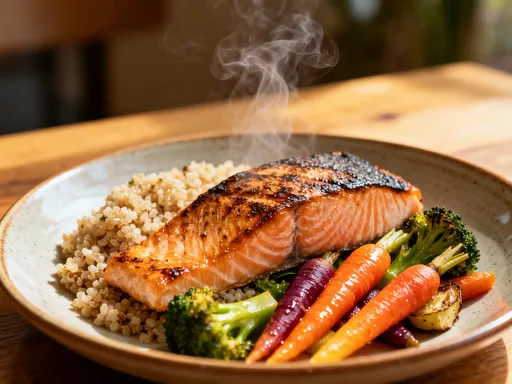
Another common misconception is that all fat is bad. In reality, fats are essential for hormone production, nutrient absorption, and cell function. The key lies in choosing the right types. Monounsaturated and polyunsaturated fats—found in olive oil, avocados, nuts, and fatty fish—have been shown to improve cholesterol ratios. Omega-3 fatty acids, a type of polyunsaturated fat, are especially beneficial for lowering triglycerides and reducing inflammation. Replacing butter with avocado spread or swapping fried chicken for grilled salmon isn’t just a healthier choice—it’s a strategic move for long-term heart health.
Genetics also play a significant role. Some individuals inherit a condition called familial hypercholesterolemia, which causes extremely high LDL levels regardless of diet or lifestyle. For others, insulin resistance, obesity, or metabolic syndrome contribute to dyslipidemia. This means that while nutrition and activity matter greatly, they aren’t the sole determinants. Blaming oneself for high cholesterol ignores the complex interplay of biology, environment, and behavior. The goal isn’t perfection, but progress—making informed choices within one’s unique context.
Food Swaps That Actually Move the Needle
When it comes to lowering cholesterol, not all dietary changes are created equal. Some tweaks yield minimal results, while others produce measurable shifts in lipid panels over time. The most effective approach isn’t about strict restrictions, but smart substitutions that support metabolic health without sacrificing satisfaction. One of the first changes I made was replacing refined carbohydrates—white bread, sugary cereals, pastries—with whole grains like oats, quinoa, and brown rice. These foods are rich in soluble fiber, a type of dietary fiber that binds to cholesterol in the digestive tract and helps eliminate it from the body.
Oatmeal, in particular, became a breakfast staple. Studies have shown that consuming two servings of oats per day can reduce LDL cholesterol by 5–7% within six weeks. The beta-glucan in oats forms a gel-like substance in the gut, slowing digestion and reducing cholesterol absorption. Adding ground flaxseed or chia seeds boosted fiber content further while contributing heart-healthy omega-3s. Lunch and dinner saw similar shifts: swapping white pasta for whole wheat versions, choosing brown rice over white, and incorporating legumes like lentils and black beans into soups and salads.
Another powerful tool is plant sterols and stanols—naturally occurring compounds found in small amounts in nuts, seeds, and vegetable oils. These substances resemble cholesterol structurally, allowing them to block its absorption in the intestines. Some margarines and orange juices are fortified with plant sterols, and clinical trials show that consuming 2 grams per day can lower LDL by about 10%. While these products can be helpful, they’re not necessary; a diet rich in whole plant foods provides a natural source of these beneficial compounds.
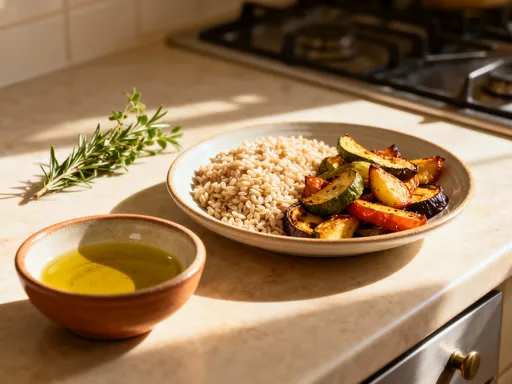
Snacking habits also evolved. Instead of reaching for crackers or cookies, I began keeping a bowl of raw almonds on the counter. Nuts, especially walnuts and almonds, are linked to improved lipid profiles in numerous studies. A handful per day—about 1.5 ounces—can modestly increase HDL and decrease LDL. Pairing them with an apple or a piece of dark chocolate (70% cocoa or higher) made for a satisfying, metabolism-friendly treat. Dinner changes included using olive oil instead of butter for cooking, grilling fish twice a week, and increasing vegetable portions on the plate. These weren’t drastic overhauls, but consistent choices that added up over time.
Why Movement Matters—Even If You’re Not Exercising to Lose Weight
Physical activity is one of the most underutilized tools in cholesterol management. While many associate exercise with weight loss, its benefits extend far beyond the scale. Regular movement influences lipid metabolism directly, improving both HDL levels and insulin sensitivity. Even moderate-intensity activities like brisk walking, cycling, or swimming can shift the balance in favor of heart health. The American Heart Association recommends at least 150 minutes of moderate aerobic activity per week—a goal that translates to just 30 minutes, five days a week.
What makes exercise so effective is its dual impact. On one hand, it stimulates enzymes that help move LDL from the blood to the liver for processing. On the other, it enhances the function of HDL, enabling it to more efficiently remove excess cholesterol from arterial walls. Additionally, physical activity helps lower triglycerides by increasing the body’s ability to use circulating fats for energy. For those with sedentary jobs, even short bursts of movement—taking the stairs, parking farther away, or walking during phone calls—can contribute to better lipid profiles over time.
I started with daily walks around my neighborhood, gradually increasing duration and pace. Within a few weeks, I noticed subtle shifts—not just in my energy levels, but in how clothes fit and how I felt after meals. As consistency improved, I added bodyweight exercises like squats, lunges, and planks two to three times a week. Strength training, often overlooked in heart health discussions, plays a crucial role by building muscle mass, which in turn improves metabolic rate and glucose regulation. Combining aerobic and resistance training offers synergistic benefits, making it easier to maintain a healthy weight and stable lipid levels.
The key is sustainability. High-intensity workouts may yield faster results, but they’re not necessary—and often not maintainable—for long-term success. What matters most is finding enjoyable forms of movement and making them routine. Whether it’s dancing in the living room, gardening, or playing with grandchildren, any activity that gets the heart rate up counts. Over time, these efforts accumulate, leading to measurable improvements in cholesterol panels and overall cardiovascular resilience.
Sleep, Stress, and Their Hidden Impact on Lipid Health
While diet and exercise are often emphasized, two quieter influencers of cholesterol—sleep and stress—are frequently overlooked. Chronic sleep deprivation, defined as consistently getting less than seven hours per night, has been linked to higher LDL and lower HDL levels. Disrupted sleep affects hormonal balance, increasing cortisol—the body’s primary stress hormone—which in turn promotes fat storage and insulin resistance. Poor sleep also alters appetite-regulating hormones like leptin and ghrelin, leading to increased cravings for high-fat, high-sugar foods that negatively impact lipid profiles.
Similarly, chronic psychological stress triggers a cascade of physiological responses that impair metabolic health. When the body remains in a prolonged state of alert, it produces excess cortisol and adrenaline, which can elevate blood pressure and contribute to visceral fat accumulation—particularly around the abdomen, a known risk factor for heart disease. Stress may also lead to unhealthy coping mechanisms such as emotional eating, alcohol consumption, or skipping workouts, further compounding the problem.
Addressing these factors requires intentional lifestyle design. Establishing a consistent bedtime routine—dimming lights, avoiding screens, and practicing relaxation techniques—can improve sleep quality. Mindfulness practices such as deep breathing, meditation, or gentle yoga have been shown to reduce perceived stress and lower cortisol levels. One study published in the Journal of the American Heart Association found that participants who practiced mindfulness-based stress reduction experienced modest but significant improvements in LDL and blood pressure over eight weeks.
These changes don’t require drastic overhauls. Simple habits like journaling before bed, scheduling short breaks during the day, or spending time in nature can support emotional and metabolic balance. Viewing rest and stress management not as luxuries, but as essential components of heart health, reframes self-care as a non-negotiable part of chronic disease prevention. When sleep and stress are prioritized, the body functions more efficiently—making it easier to maintain healthy cholesterol levels naturally.
Working With, Not Against: The Role of Medical Support
No discussion about cholesterol management would be complete without acknowledging the vital role of healthcare providers. While lifestyle changes are foundational, they are not always sufficient—especially for individuals with genetic predispositions or advanced cardiovascular risk. In such cases, medication becomes a necessary and effective tool. Statins, the most commonly prescribed cholesterol-lowering drugs, work by inhibiting an enzyme in the liver responsible for cholesterol production. Decades of clinical research support their safety and efficacy in reducing LDL and preventing heart attacks and strokes.
Yet, many people hesitate to start medication due to fear of side effects or a belief that pills represent failure. This mindset can be harmful. Treating high cholesterol is not about blame or willpower—it’s about using every available resource to protect long-term health. Just as someone with high blood pressure takes medication to reduce stroke risk, someone with elevated LDL should view statins as part of a comprehensive strategy, not a last resort. Open, honest conversations with doctors help dispel myths and align treatment plans with personal values and goals.
Regular monitoring is equally important. Lipid panels should be repeated every three to six months when initiating lifestyle changes or starting medication, then annually for maintenance. These check-ups provide feedback, allowing adjustments to diet, activity, or prescriptions as needed. They also reinforce accountability, turning abstract health goals into tangible progress. Telehealth visits, patient portals, and home testing kits have made it easier than ever to stay connected with care teams, ensuring continuity and support.
The ideal relationship between patient and provider is collaborative. It involves shared decision-making, mutual respect, and ongoing communication. Rather than handing down orders, doctors can serve as guides, helping individuals interpret results, weigh options, and navigate challenges. This partnership empowers patients to take ownership of their health while benefiting from professional expertise. When lifestyle and medicine work together, the results are often greater than either approach alone.
Building a Life, Not a Diet: Long-Term Mindset for Chronic Management
Perhaps the most transformative shift in my journey was moving from short-term fixes to long-term living. Cholesterol management isn’t a sprint; it’s a marathon that requires patience, flexibility, and self-compassion. Diets that promise rapid results often fail because they’re unsustainable—too restrictive, too rigid, too disconnected from real life. Lasting change comes not from willpower, but from identity: becoming someone who values health, not someone trying to endure a temporary regimen.
This mindset shift involves redefining success. Instead of focusing solely on numbers, I began celebrating non-scale victories—walking up stairs without getting winded, fitting into a favorite dress, feeling more alert in the afternoons. These markers of progress are often more meaningful than lab results because they reflect how choices translate into daily well-being. Tracking them in a journal or app provided motivation during moments of doubt, reinforcing that small actions compound over time.
Flexibility is equally important. Perfection is neither realistic nor necessary. Holidays, travel, and social events will always include foods outside an ideal plan—and that’s okay. The goal isn’t flawless adherence, but consistency over time. Research shows that following a heart-healthy pattern 80% of the time is enough to produce significant benefits. The remaining 20% allows for enjoyment, connection, and balance—essential elements of a fulfilling life.
Finally, this journey is not one to walk alone. Support from family, friends, or community groups can make a meaningful difference. Sharing meals, taking walks together, or simply talking about challenges fosters connection and accountability. When health becomes a shared value, it’s easier to sustain. Over time, these habits stop feeling like sacrifices and start feeling like natural expressions of self-care.