Why This Ancient Calm Feels Like a Reset Button for Modern Stress
Stress isn’t just mental—it lives in your body, your breath, your daily rhythm. I used to feel constantly drained, until I discovered how traditional Chinese medicine and mindful movement like yoga could work together. It’s not about escaping life, but rewiring how you respond. This blend of ancient wisdom and gentle practice helped me find balance without burnout. Let me share how it can do the same for you—naturally, steadily, and with real results.
The Hidden Cost of Constant Stress
Modern life moves fast, and many women in their 30s to 50s carry invisible weight—the kind that doesn’t show on a scale but reveals itself in exhaustion, mood swings, and sleepless nights. You may wake up tired despite eight hours of rest, feel irritable over small things, or struggle to focus during the day. These are not just signs of being busy; they are signals from your body that stress has become chronic. When stress persists, it disrupts the nervous system, weakens immunity, and interferes with digestion and hormone balance. Over time, this wear and tear can contribute to long-term health concerns, including high blood pressure and digestive discomfort.
From the perspective of traditional Chinese medicine (TCM), chronic stress reflects a disruption in the smooth flow of energy, known as Qi (pronounced “chee”). When Qi becomes stagnant—often due to emotional strain, irregular routines, or suppressed feelings—it can manifest as physical tension, headaches, or a sense of being “stuck.” TCM also recognizes the Shen, or spirit, which resides in the heart and governs emotional calm. When the Shen is disturbed by overstimulation or prolonged worry, it becomes harder to relax, even when the day is done. This understanding aligns closely with modern neuroscience, which confirms that emotional stress activates the body’s fight-or-flight response, keeping it on high alert even when no real danger exists.
The conflict between our natural rhythms and today’s lifestyle is real. Constant screen time, irregular meals, and the pressure to do more have created a mismatch between how our bodies are designed to function and how we actually live. Unlike our ancestors, who followed natural cycles of light and rest, many of us are exposed to artificial light late into the night, eat on the go, and rarely pause to breathe deeply. This disconnect contributes to the very imbalances that both TCM and modern wellness experts seek to correct. The good news is that small, intentional shifts can begin to restore harmony. By recognizing stress not just as a mental state but as a full-body experience, we open the door to deeper healing.
Where Yoga Meets Chinese Medicine: A Shared Vision of Harmony
At first glance, yoga and traditional Chinese medicine may seem like distinct traditions—one from India, the other from China. Yet when examined closely, they share a profound understanding of health as a dynamic state of balance. Both systems view the body not as a collection of separate parts but as an interconnected network where physical, emotional, and energetic well-being are deeply linked. In yoga, the life force is called prana; in TCM, it is Qi. Though the words differ, the concept is strikingly similar: energy must flow freely for health to thrive.
This shared vision extends to how each system approaches healing. Rather than targeting isolated symptoms, both yoga and TCM seek to address root causes. For example, if someone experiences frequent headaches, Western medicine might focus on pain relief, while yoga and TCM would explore underlying patterns—such as poor posture, shallow breathing, or emotional tension affecting the liver’s energy. In TCM, the liver is responsible for the smooth flow of Qi throughout the body, and when it becomes constrained by stress, it can lead to irritability, tight shoulders, and headaches. Yoga offers tools—like specific postures and breathwork—that help release this tension, supporting the liver’s natural function without medication or force.
The alignment between these systems is also evident in their emphasis on prevention. Both encourage daily practices that maintain balance before problems arise. Yoga’s morning stretches and mindful breathing mirror TCM’s recommendations to rise with the sun, eat regular meals, and move gently to stimulate energy flow. Neither tradition demands perfection; instead, they honor the rhythm of life and the need for rest as much as activity. When combined, these approaches create a powerful synergy—yoga provides accessible physical and mental tools, while TCM offers a deep diagnostic framework that helps interpret what the body is trying to say. Together, they form a holistic path to resilience in the face of modern demands.
Breath as Medicine: Simple Techniques You Can Feel Immediately
One of the most immediate and effective tools for calming the nervous system is the breath. Unlike other bodily functions, breathing operates both automatically and consciously, making it a unique bridge between the mind and body. When stress takes over, breathing often becomes shallow and rapid, centered in the chest. This type of breathing signals the brain that danger is present, keeping cortisol levels elevated. In contrast, slow, deep breathing through the nose activates the parasympathetic nervous system—the body’s “rest and digest” mode—slowing the heart rate and lowering blood pressure. This shift is not just physiological; it creates a sense of inner calm that can last long after the breath returns to normal.
Both yoga and TCM place great importance on breath as a form of self-regulation. In yoga, this practice is known as pranayama, while in TCM, it is part of cultivating Qi through mindful awareness. A simple technique that combines both traditions involves diaphragmatic breathing with a specific rhythm: inhale slowly through the nose for a count of four, allowing the belly to rise; hold gently for a count of two; then exhale fully through the nose for a count of six. The longer exhalation is key—it enhances the calming effect by extending the time the body spends in relaxation mode. Practicing this for just three to five minutes can reduce feelings of anxiety and improve mental clarity.
This technique can be done anywhere—while sitting at a desk, waiting in the car, or lying in bed before sleep. It requires no special equipment, only attention. Over time, regular practice retrains the nervous system to default to calm rather than reactivity. Many women find that incorporating this breathwork into their morning routine sets a peaceful tone for the day, while using it at night helps transition from activity to rest. The beauty of breath as medicine lies in its accessibility; it is always available, free, and effective. By making conscious breathing a daily habit, you begin to reclaim control over your stress response, one breath at a time.
Movement That Nourishes Instead of Drains
In a culture that often equates fitness with intensity, it’s easy to believe that harder is better. Yet for women managing busy households, careers, and personal responsibilities, high-intensity workouts can sometimes add to fatigue rather than relieve it. This is where restorative yoga and gentle TCM-inspired movement offer a wiser alternative. Rather than depleting energy, these practices aim to replenish it. They focus on releasing tension, improving circulation, and supporting the body’s natural healing rhythms. The goal is not to sweat or push limits, but to create space—physically and mentally—for renewal.
Several yoga poses align closely with TCM principles, particularly in their ability to support liver Qi flow. The liver, in TCM, is most active in the early morning and is deeply affected by emotions like frustration and anger. When its energy is blocked, physical symptoms such as tightness in the neck and shoulders, menstrual discomfort, or digestive sluggishness may arise. Gentle stretches can help release this stagnation. Child’s Pose, for example, is a deeply calming posture that gently compresses the abdomen, encouraging relaxation and introspection. It also provides a sense of safety, which is essential for soothing a disturbed Shen.
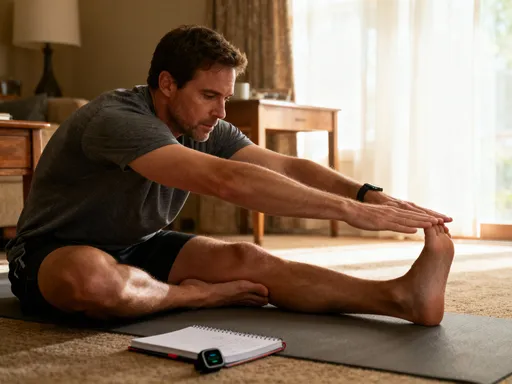
Seated Forward Bend is another supportive pose. It stretches the back of the body, where many people hold stress, and encourages inward focus. In TCM, this pose may help calm the heart and settle the spirit, making it especially useful before bedtime. Cat-Cow, a flowing movement between two positions, gently massages the spine and internal organs, promoting Qi circulation along the back and abdomen. Practicing these poses for just ten minutes in the morning or evening can make a noticeable difference in how you feel. The key is consistency, not duration. Over time, this kind of movement becomes less of a workout and more of a daily act of self-care—a way to honor your body’s need for gentle motion and stillness alike.
Daily Rhythms and Natural Flow: Aligning with Your Body’s Clock
Traditional Chinese medicine includes a concept known as the organ clock, which maps the body’s energy flow across a 24-hour cycle. According to this model, each organ system has a two-hour window when its Qi is most active. While this may sound unfamiliar at first, many of its principles reflect common sense and natural observation. For example, the lung time (3–5 a.m.) often coincides with early waking, especially during periods of grief or sadness—a connection many women may have experienced. The large intestine time (5–7 a.m.) aligns with the body’s natural urge to eliminate, making it an ideal time to drink warm water and begin the day mindfully.
By aligning daily habits with these natural rhythms, you can support your body’s innate intelligence. The spleen and stomach (9 a.m.–11 a.m. and 7–9 a.m., respectively) are responsible for digestion and energy production, so eating a nourishing breakfast during this window helps fuel the day. The heart (11 a.m.–1 p.m.) governs circulation and mental clarity, making midday an optimal time for focused work. In the evening, the pericardium (7–9 p.m.) and triple burner (9–11 p.m.) take over, regulating emotional balance and preparing the body for rest. This is why winding down with a warm drink, light conversation, or gentle stretching during these hours can improve sleep quality.
You don’t need to memorize the entire clock to benefit from its wisdom. Simple adjustments—like avoiding heavy meals late at night, turning off screens by 9 p.m., or practicing quiet reflection during pericardium time—can make a meaningful difference. Many women find that lighting a candle, sipping herbal tea, or journaling during the evening hours creates a sense of closure and safety. These small rituals signal to the body that it is time to shift from doing to being. Over time, living in greater harmony with natural cycles reduces the internal friction that contributes to stress, allowing energy to flow more smoothly and consistently.
What Science Says About This Combined Approach
While the roots of yoga and traditional Chinese medicine are ancient, modern science continues to validate their benefits. Research shows that regular yoga practice improves heart rate variability (HRV), a key marker of nervous system resilience. Higher HRV is associated with better stress management, emotional regulation, and overall cardiovascular health. Studies also confirm that yoga reduces levels of cortisol, the primary stress hormone, and increases gamma-aminobutyric acid (GABA), a neurotransmitter that promotes calm. These changes are not temporary; they accumulate with consistent practice, leading to lasting improvements in mood and well-being.
Similarly, scientific investigations into acupuncture and acupressure—core components of TCM—have demonstrated their ability to influence the nervous system and reduce anxiety. One commonly used point, Yintang, located between the eyebrows, is often called the “third eye” point. Stimulating this area through gentle pressure has been shown in clinical settings to promote relaxation and reduce symptoms of insomnia and restlessness. While the mechanism may involve nerve signaling and endorphin release, the effect is clear: many people experience a sense of mental quiet within minutes.
When yoga and TCM principles are combined—such as practicing breathwork while focusing on Qi flow or using mindful movement to support meridian health—the benefits appear to be synergistic. A growing number of integrative health programs now include both approaches, recognizing that they complement each other effectively. It’s important to note that individual results vary, and these practices are not a substitute for medical treatment. However, for stress reduction, emotional balance, and overall vitality, the evidence supports their value as part of a holistic wellness plan. The strength of this combined approach lies not in dramatic transformations, but in steady, measurable improvements over time.
Building a Sustainable Practice Without Overwhelm
One of the biggest obstacles to lasting change is the expectation of perfection. Many women want to do everything “right”—practice for 30 minutes daily, eat perfectly, and meditate without distraction. But this all-or-nothing mindset often leads to burnout and discouragement. The truth is, small, consistent actions are far more effective than occasional intense efforts. The goal is not to add one more thing to your to-do list, but to weave gentle practices into the fabric of your existing routine. Start with just five minutes a day. Choose one anchor habit—morning breathwork, a short stretch before bed, or a mindful cup of tea—and commit to it for 21 days. Track subtle shifts: Do you feel calmer? Sleep better? Notice less tension in your shoulders?
Over time, these moments of presence accumulate. You may find yourself naturally extending the practice, not because you have to, but because you want to. The key is to listen to your body and honor its needs. Some days, you may have the energy for a longer session; other days, simply pausing to take three deep breaths is enough. This is not about performance—it’s about presence. By releasing the pressure to be perfect, you create space for genuine healing.
It’s also important to seek professional guidance when needed. If stress symptoms persist—such as chronic fatigue, anxiety, or digestive issues—consult a licensed healthcare provider. A qualified TCM practitioner or certified yoga therapist can offer personalized support and ensure that your practice is safe and effective. Remember, self-care is not selfish; it is necessary. When you care for yourself with kindness and consistency, you are better able to care for those around you. This is not a quick fix, but a lifelong journey toward balance, resilience, and well-being.
True wellness isn’t about quick fixes but returning to balance through gentle, repeatable acts. When yoga’s mindfulness joins forces with traditional Chinese medicine’s deep understanding of energy and rhythm, stress doesn’t disappear—but it loses its grip. By listening to your body and honoring natural cycles, you create space to breathe, recover, and live with greater clarity. This isn’t magic—it’s medicine, refined over centuries, now within your reach.