How I Built a Life-Changing Routine with Simple, Daily Movement
We all know exercise is good for us, but how do you make it stick? For years, I struggled—gym memberships wasted, apps deleted, motivation gone by week two. Then I shifted my mindset: instead of chasing intense workouts, I focused on small, consistent actions woven into daily life. This isn’t about six-pack abs or extreme fitness. It’s about feeling stronger, clearer, and more energized every day. Here’s the system that finally worked. It didn’t require special equipment, hours of time, or a complete lifestyle overhaul. It began with a single step—literally—and grew into a rhythm that supports my energy, mood, and long-term well-being. This is not a fitness trend. It’s a sustainable, science-backed approach to movement that anyone can adopt, regardless of age, fitness level, or schedule.
The Burnout Trap: Why Traditional Exercise Often Fails
Many people begin an exercise routine with high hopes, only to abandon it within weeks. The pattern is familiar: an enthusiastic start, a few days of effort, then fatigue, frustration, or time constraints take over. One of the most common reasons for this cycle is the misconception that effective exercise must be intense, time-consuming, or structured like a gym class. This all-or-nothing mindset sets unrealistic expectations, making it difficult to maintain consistency when life becomes busy or energy levels dip.
When people treat exercise as a separate event—something that happens only at the gym or during a scheduled class—they make it vulnerable to disruption. A late work meeting, a sick child, or even bad weather can derail the entire plan. Over time, missed sessions lead to guilt, which further erodes motivation. The psychological toll of this cycle is significant. It reinforces the belief that one lacks discipline or willpower, when in reality, the problem lies in the structure of the routine itself, not the individual’s character.
Additionally, overly aggressive programs can lead to physical burnout. Starting with high-intensity workouts without building a foundation increases the risk of injury and soreness, which discourages continued participation. Research shows that sudden increases in physical exertion without gradual progression often result in early dropout. The body needs time to adapt, and so does the mind. Sustainable change requires a different approach—one that prioritizes consistency over intensity and integration over isolation.
The solution is not to push harder, but to rethink what success looks like. Instead of measuring progress by calories burned or miles run, the focus should shift to how often movement becomes a natural part of the day. This shift in perspective reduces pressure and increases the likelihood of long-term adherence. By designing a routine that fits into real life, rather than one that demands life be rearranged, people are more likely to stick with it. The goal is not perfection, but persistence.
Rethinking Movement: Exercise as Daily Habit, Not Event
For decades, society has equated exercise with structured workouts—running on a treadmill, lifting weights, or attending fitness classes. While these activities are beneficial, they represent only one slice of the movement spectrum. In reality, exercise can—and should—be understood as any physical activity that increases energy expenditure and supports bodily function. This broader definition includes walking, gardening, climbing stairs, standing up regularly, and even household chores like vacuuming or washing dishes.
When movement is redefined in this way, it becomes accessible at every moment of the day. A trip to the mailbox, a walk around the block after dinner, or stretching while watching television all count. These small actions may seem insignificant in isolation, but their cumulative effect is powerful. Studies have shown that frequent, low-intensity movement throughout the day can improve circulation, support joint health, regulate blood sugar, and enhance mental clarity. In fact, research published in the American Journal of Physiology suggests that breaking up prolonged sitting with brief bouts of activity can reduce the risk of metabolic syndrome, even if total daily exercise time remains the same.
This approach aligns with how humans evolved—as beings who moved constantly throughout the day, not in isolated bursts. Our ancestors walked long distances, carried objects, squatted, and stood for extended periods. Modern lifestyles, in contrast, are largely sedentary. The average office worker sits for more than six hours a day, often without meaningful breaks. This lack of regular movement contributes to chronic issues such as poor posture, decreased mobility, and low energy. By reintroducing frequent, natural motion into daily life, we begin to restore balance to the body’s systems.
Reframing exercise as a habit rather than an event removes the mental barrier of needing special time, clothes, or equipment. It transforms movement from a chore into a seamless part of living. This mindset shift is essential for long-term success. When physical activity is no longer something you “have to do,” but something you naturally do, it becomes sustainable. The focus is not on achieving a certain look or performance level, but on feeling better in your body every day.
The Core Principles of a Sustainable Movement System
A lasting movement practice rests on three foundational principles: consistency, variety, and mindfulness. Each plays a critical role in creating a routine that supports long-term health without leading to burnout. Consistency is the most important factor. It is better to move for ten minutes every day than to do an hour-long workout once a week. The body thrives on regularity. Frequent movement reinforces healthy habits, improves circulation, and builds endurance over time. Unlike sporadic, intense efforts, consistent activity reduces strain and supports recovery.
Variety ensures that the body is engaged in different ways, preventing overuse injuries and maintaining interest. When a routine becomes too repetitive, it can lead to physical imbalances and mental boredom. Incorporating different types of movement—such as stretching, strength, balance, and cardiovascular activity—creates a well-rounded practice. For example, pairing walking with bodyweight exercises and occasional yoga stretches keeps the routine dynamic and effective. Variety also allows for adaptation based on energy levels, mood, and schedule.
Mindfulness completes the trio by fostering a deeper connection between body and mind. This does not require meditation or special techniques. It simply means paying attention to how your body feels during and after movement. Are your shoulders relaxed? Is your breathing steady? Do you feel more alert or less stiff? This awareness helps prevent injury, enhances enjoyment, and reinforces the positive effects of activity. Mindful movement encourages listening to the body’s signals rather than pushing through pain or fatigue.
Together, these principles create a resilient system. Consistency builds momentum, variety prevents stagnation, and mindfulness promotes self-awareness. When applied together, they make movement more enjoyable and sustainable. For instance, a person might start the day with five minutes of stretching, take a 10-minute walk after lunch, and do a few bodyweight squats while waiting for the kettle to boil. These small actions, repeated daily, create lasting change without requiring dramatic effort.
Building Your Daily Framework: Timing, Triggers, and Routines
Designing a daily movement routine doesn’t require a complex schedule. The key is to anchor activity to existing habits and natural transitions in the day. This technique, known as habit stacking, involves linking a new behavior to an established one. For example, after brushing your teeth in the morning, you might do two minutes of stretching. After pouring your morning coffee, you could stand and march in place for 60 seconds. These tiny actions become easier to remember and perform because they are tied to familiar cues.
Environmental triggers also play a powerful role. Placing a pair of walking shoes by the front door, setting a reminder on your phone, or keeping resistance bands near your favorite chair can prompt action. The goal is to reduce friction—making movement the easiest choice in the moment. When effort is minimized, follow-through increases. Over time, these small actions become automatic, requiring little willpower to maintain.
Timing matters, too. Distributing movement throughout the day is more effective than doing it all at once. Morning movement can boost energy and set a positive tone. Midday activity combats afternoon fatigue and improves focus. Evening movement supports relaxation and better sleep. A balanced approach might include gentle stretching upon waking, a short walk after lunch, a few strength exercises in the late afternoon, and a brief posture reset before bed.
Starting small is essential. Attempting too much too soon leads to frustration and dropout. Begin with one or two manageable actions, such as standing up every hour or walking for five minutes after a meal. Once these become routine, gradually add more. The goal is not to do everything at once, but to build a rhythm that feels natural. Progress is measured not by intensity, but by consistency. Over weeks and months, these small choices compound into significant health benefits.
Effective Techniques That Fit Real Life
There are several simple, science-backed movement techniques that require no equipment, special space, or prior experience. The first is dynamic stretching—gentle, flowing movements that prepare the body for activity. Examples include arm circles, leg swings, and torso twists. These improve mobility, increase blood flow, and reduce stiffness. Doing five minutes of dynamic stretching in the morning can enhance alertness and reduce discomfort from sitting.
Bodyweight circuits are another accessible option. These involve simple exercises like squats, lunges, push-ups (modified if needed), and planks. A basic circuit might include 10 squats, 10 knee push-ups, and a 20-second plank, repeated two or three times. These movements build strength, improve balance, and support joint health. They can be done in a small space and take as little as five to ten minutes.
Walking with purpose is more effective than casual strolling. This means walking at a pace that raises the heart rate slightly, with good posture and intentional arm movement. A 10-minute purposeful walk after meals has been shown to aid digestion and regulate blood sugar. Over time, these walks accumulate and contribute to cardiovascular health.
Active recovery—light movement on rest days—supports muscle repair and reduces soreness. This might include gentle yoga, a slow walk, or foam rolling. Unlike intense workouts, active recovery promotes circulation without adding stress to the body. It helps maintain momentum without risking overtraining.
Finally, posture resets are essential for those who sit for long periods. Every hour, take 60 seconds to stand, roll your shoulders, lift your chest, and tuck your chin slightly. This counteracts the effects of slouching and supports spinal health. Over time, regular posture resets reduce neck and back pain and improve breathing efficiency.
Tracking Progress Beyond the Scale
Most people measure fitness success by weight loss, but this is a narrow and often misleading indicator. Weight fluctuates due to factors like water retention, hormones, and muscle gain, making it an unreliable gauge of health. A more meaningful approach is to track non-scale victories—changes in energy, mood, sleep, and daily function. Do you feel more alert in the afternoon? Can you climb stairs without getting winded? Do you wake up feeling more rested? These are signs of real progress.
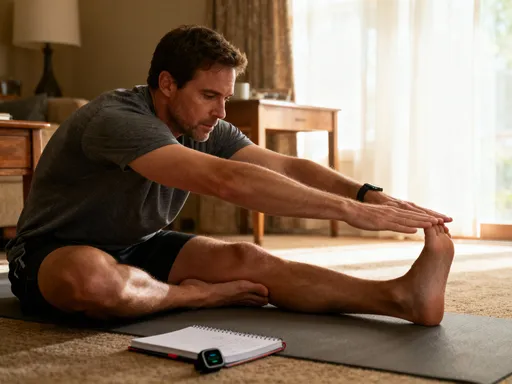
Keeping a simple journal can help identify these improvements. Each day, note how you felt physically and emotionally. Over time, patterns will emerge. You may notice that days with more movement are also days with better sleep or a more positive mood. Apps and wearable devices can also provide useful feedback, such as step counts, heart rate variability, and sleep quality. However, these tools should support awareness, not create obsession.
Another valuable indicator is functional strength. This refers to the ability to perform everyday tasks with ease—carrying groceries, lifting a suitcase, or playing with grandchildren. As movement becomes consistent, these activities become less taxing. Improved balance and coordination also reduce the risk of falls, especially as we age. These benefits are often more impactful than any number on a scale.
Tracking progress with patience and self-awareness fosters a healthier relationship with movement. It shifts the focus from appearance to well-being. When people recognize that feeling stronger and more capable is a form of success, they are more likely to stay committed. This mindset supports long-term adherence and reduces the pressure to achieve unrealistic goals.
Making It Stick: Overcoming Slumps and Staying Consistent
Even the best routines face challenges. Fatigue, travel, illness, and life disruptions can interrupt consistency. The key to long-term success is not avoiding setbacks, but learning how to respond to them with compassion and flexibility. When motivation fades, it’s important to remember that perfection is not the goal. Missing a day—or even a week—does not erase progress. What matters is returning to the routine without self-criticism.
Micro-workouts can be a powerful tool during low-energy periods. Instead of skipping movement entirely, do one minute of stretching, ten squats, or a short walk around the house. These tiny efforts maintain the habit and prevent the routine from breaking entirely. They also reinforce the idea that something is always better than nothing.
Boredom can also derail consistency. To combat this, introduce variety—try a new walking route, explore a different type of stretch, or listen to an audiobook while moving. Small changes keep the routine fresh and engaging. Travel doesn’t have to stop movement either. Bodyweight exercises can be done in a hotel room, and walking is possible in any city. Planning ahead—packing walking shoes or downloading a short workout video—makes it easier to stay on track.
Finally, resetting after a setback is crucial. Instead of viewing a lapse as failure, treat it as feedback. Ask: What caused the disruption? How can I adjust the routine to be more resilient? This reflective approach builds self-awareness and strengthens the system over time. Lasting change is not about willpower, but about designing a routine that fits your life and supports your well-being.
True wellness isn’t found in extreme efforts, but in the quiet consistency of daily choices. By redefining exercise as a natural part of living—not a chore to endure—we create a healthier, more vibrant life. This system isn’t about fixing flaws; it’s about honoring your body with movement that sustains you for years to come.