How I Finally Made the Mediterranean Diet Work in Real Life
For years, I heard how amazing the Mediterranean diet was—better heart health, more energy, even longer life. But honestly? I didn’t know where to start. It felt too fancy, too confusing. Then I stopped overthinking and just began. No perfection, just real choices. What changed wasn’t one big thing, but a series of small, doable shifts. This is how it actually works when you live it, not just read about it.
The Myth vs. Reality of the Mediterranean Diet
Many people hear the term “Mediterranean diet” and picture endless plates of grilled fish, imported olives, and expensive bottles of extra virgin olive oil shipped from Greece. While these elements can be part of it, the reality is far more accessible and grounded in everyday living. The Mediterranean diet is not a strict meal plan or a trend designed for quick weight loss. Instead, it’s a way of eating rooted in the traditional food patterns of countries like Greece, Italy, and Spain—places where people have historically enjoyed lower rates of chronic disease and longer life expectancy.
One of the most common misconceptions is that this way of eating requires exotic ingredients or gourmet cooking skills. In truth, it’s built on simplicity and seasonality. Meals often center around what’s fresh, local, and affordable. Staples include vegetables, fruits, whole grains, legumes, nuts, seeds, olive oil, and moderate amounts of fish, poultry, and dairy. Red meat appears only occasionally, and sweets are enjoyed in small portions and not every day. It’s not about eliminating food groups but about balance and proportion.
Another myth is that the Mediterranean diet is primarily about weight loss. While many people do lose weight when they adopt this pattern, that’s not its main purpose. Research shows its greatest benefits lie in long-term health—particularly heart health, brain function, and metabolic stability. It’s less of a short-term fix and more of a lifelong approach to nourishment. The key difference is mindset: instead of focusing on restriction or calorie counting, the emphasis is on adding nutrient-rich foods that naturally crowd out less healthy options.
Understanding the cultural roots helps shift the perspective from dieting to lifestyle. In Mediterranean regions, food is deeply tied to community, celebration, and rhythm of daily life. Meals are often shared with family, eaten slowly, and prepared with care. There’s no rush, no guilt, and no obsession with perfection. This cultural context is just as important as the food itself—and it’s something anyone, anywhere, can begin to incorporate, regardless of budget or kitchen experience.
Why This Way of Eating Stands Out in Modern Nutrition
In a world full of fad diets—keto, paleo, juice cleanses, detox teas—the Mediterranean diet stands apart because it’s backed by decades of scientific research. Unlike trendy plans that come and go, this eating pattern has consistently shown benefits in large-scale, long-term studies. One of the most notable is the PREDIMED study, which followed thousands of adults over several years and found that those who followed a Mediterranean-style diet had significantly lower risks of heart attack, stroke, and cardiovascular death.
What makes this way of eating so effective? First, it focuses on whole, minimally processed foods. These are naturally rich in fiber, antioxidants, healthy fats, and essential nutrients that support bodily functions from cellular repair to immune defense. The high intake of plant-based foods helps reduce inflammation, a key driver of many chronic conditions. At the same time, the moderate inclusion of animal proteins ensures adequate intake of iron, B12, and high-quality protein without overloading the system.
Another reason it works so well is sustainability. Most restrictive diets fail not because they lack results, but because they’re too difficult to maintain. Cutting out entire food groups—like carbohydrates or fats—can lead to cravings, fatigue, and eventual burnout. The Mediterranean diet avoids this by allowing flexibility. You don’t have to give up bread or pasta—you just choose whole grain versions. You don’t eliminate dairy—you enjoy yogurt and cheese in moderation. This balance makes it easier to stick with over time, which is crucial for lasting health.
Moreover, the diet supports metabolic health in meaningful ways. Studies have shown that people who follow this pattern are less likely to develop type 2 diabetes, and those who already have it often see improved blood sugar control. The combination of fiber-rich foods, healthy fats, and consistent meal timing helps regulate insulin response and keeps energy levels steady throughout the day. Unlike diets that cause energy spikes and crashes, this approach promotes sustained vitality—something especially valuable for busy women managing households, careers, or caregiving responsibilities.
My First Mistakes—And What I Learned
When I first tried to adopt the Mediterranean diet, I went all in—maybe too hard, too fast. I bought imported Greek olives, organic artichoke hearts, and fancy tinned sardines, thinking authenticity meant spending more. I replaced all my butter with olive oil, but then slathered it on everything, assuming “healthy fat” meant “unlimited.” I even cut out bread completely, fearing carbs despite hearing that whole grains were part of the tradition.
Unsurprisingly, I burned out within weeks. The meals felt like chores, the grocery bill was unsustainable, and I missed the comfort of simple, familiar foods. I realized I had turned a flexible, joyful way of eating into another rigid rulebook—and that was never the point. What I needed wasn’t perfection, but practicality. I had to let go of the idea that every meal had to look like a food magazine spread.
The turning point came when I started asking myself: What would someone actually living in a Mediterranean country do? They wouldn’t buy imported ingredients when local produce was in season. They wouldn’t stress over exact portion sizes. They’d cook with what they had, reuse leftovers, and eat simply most days. I began to focus on principles, not perfection. Could I add more vegetables? Yes. Could I switch to whole grains? Absolutely. Could I include beans a few times a week? Easily. These small shifts felt manageable—and over time, they added up.
I also learned to listen to my body. Instead of labeling foods as “good” or “bad,” I started paying attention to how I felt after eating. Did I have steady energy? Was I satisfied, not stuffed? Did I wake up feeling rested? These became my real indicators of success, not a number on the scale. Progress, not perfection, became my new mantra—and that mindset shift made all the difference in staying consistent without guilt or frustration.
The 5 Simple Swaps That Actually Made a Difference
Once I stopped trying to overhaul everything at once, I focused on making gradual changes that fit my routine. Five simple swaps transformed my eating habits without requiring extra time, money, or willpower. These weren’t drastic—they were doable, repeatable, and sustainable.
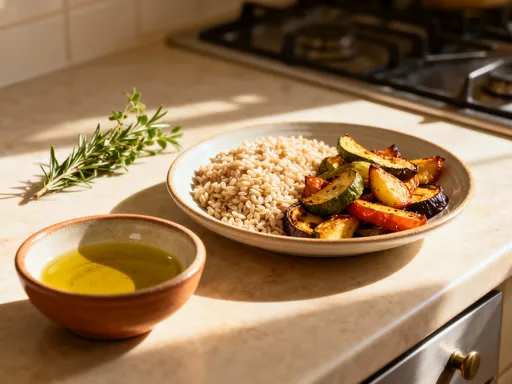
First, I replaced butter with extra virgin olive oil in cooking and dressings. Instead of sautéing vegetables in butter or margarine, I used a drizzle of olive oil. I tossed salads with lemon juice and olive oil instead of creamy store-bought dressings. Over time, I grew to love the rich, fruity flavor. Olive oil is high in monounsaturated fats, which support heart health, and it contains polyphenols—natural compounds with antioxidant properties. This one change improved both the taste and nutritional quality of my meals.
Second, I switched from refined grains to whole grains. I started choosing brown rice over white, whole wheat pasta instead of regular, and added grains like farro and barley to soups and salads. These grains take slightly longer to cook, but they’re more filling and keep blood sugar stable. I noticed I wasn’t hungry an hour after eating, which helped me avoid mid-afternoon snacking on cookies or chips.
Third, I committed to adding a handful of vegetables to every meal—even breakfast. That meant spinach in my eggs, tomatoes on my toast, or shredded zucchini in my morning frittata. At lunch and dinner, I aimed to fill half my plate with colorful vegetables. Frozen vegetables became a lifesaver on busy nights. This simple habit dramatically increased my fiber and nutrient intake without requiring complex recipes.
Fourth, I changed my snacks. Instead of reaching for processed granola bars or potato chips, I started keeping a mix of raw nuts and fresh fruit on hand. A small handful of almonds, walnuts, or pistachios with an apple or banana became my go-to. Nuts provide healthy fats, protein, and fiber, which help maintain energy and satisfaction between meals. Plus, they require zero prep—just grab and go.
Fifth, I began using beans and lentils as a regular protein source. I added chickpeas to salads, made lentil soup once a week, and tried black bean tacos as a meatless option. These plant-based proteins are affordable, shelf-stable (when canned), and packed with fiber and nutrients. I didn’t eliminate meat entirely, but I reduced it to about two or three times a week, letting beans take center stage more often. This shift not only supported my health but also lightened my grocery bill.
How to Build a Mediterranean-Style Plate Without Stress
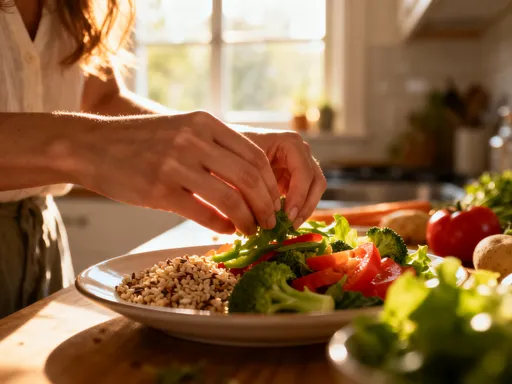
One of the most helpful tools I discovered was the visual plate model. Instead of counting calories or tracking macros, I learned to build balanced meals at a glance. The guideline is simple: fill half your plate with vegetables and fruits, one-quarter with whole grains, and one-quarter with protein—whether plant-based like beans and tofu, or animal-based like fish, eggs, or poultry. Then, add a small amount of healthy fat, such as a drizzle of olive oil, a few slices of avocado, or a sprinkle of nuts.
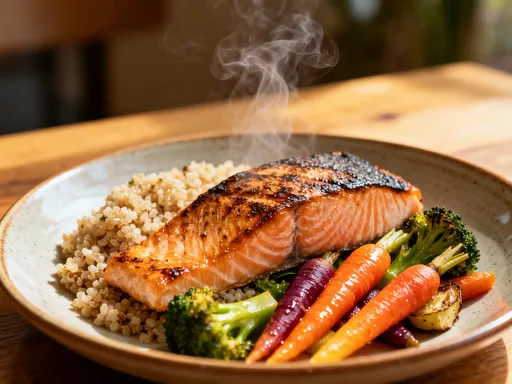
This approach removes guesswork and makes meal planning intuitive. For example, a typical dinner might be a large salad with mixed greens, cucumbers, tomatoes, and olives, topped with grilled salmon, quinoa, and a lemon-olive oil dressing. Or it could be a grain bowl with brown rice, roasted sweet potatoes, black beans, salsa, and avocado. The combinations are endless, and leftovers can be repurposed easily.
I also learned to rely on easy meal templates that require minimal effort. Sheet-pan roasts are a favorite—just toss vegetables and a protein source with olive oil, garlic, and herbs, then roast everything together. One-pot meals like soups, stews, and casseroles are perfect for batch cooking. Simple bean salads with chopped vegetables, herbs, and a vinaigrette keep well in the fridge for quick lunches.
Flavor is key to enjoying this way of eating long-term, so I began using herbs, spices, lemon, and garlic generously. Dried oregano, fresh basil, rosemary, and thyme add depth without salt or sugar. A squeeze of lemon brightens up fish, grains, and vegetables. These natural flavor boosters make food taste satisfying without relying on processed sauces or high-sodium seasonings. With a few basics on hand, I could turn simple ingredients into delicious, nourishing meals without stress.
Fitting the Diet into a Busy, Real-World Life
One of the biggest concerns I had was time. Between work, family, and household duties, cooking from scratch every night felt impossible. But I learned that the Mediterranean diet doesn’t require gourmet skills or hours in the kitchen. The key is planning, simplicity, and using smart shortcuts.
I started with grocery shopping. Instead of wandering the aisles without a list, I began planning a few meals each week and writing down what I needed. I focused on the perimeter of the store—produce, dairy, meat, and seafood—while limiting trips down the processed food aisles. I stocked up on pantry staples: canned beans, whole grains, tomatoes, tuna, nuts, seeds, and olive oil. These items last for weeks and make it easy to throw together a meal even on the busiest nights.
Frozen vegetables became a game-changer. They’re just as nutritious as fresh, pre-chopped, and ready in minutes. I keep bags of broccoli, spinach, and mixed vegetables on hand for stir-fries, omelets, or side dishes. Seasonal produce is another ally—buying what’s in season is usually cheaper, tastier, and more sustainable.
I also adopted a few realistic routines. I committed to one meatless meal per week—usually a bean chili or lentil curry—to build confidence with plant-based cooking. I began cooking at home more often, even if it meant simple meals like scrambled eggs with vegetables or a whole grain bowl with canned tuna and avocado. And I made a point to eat slowly, without distractions, whenever possible. Sitting down to eat, even if just for 15 minutes, helped me tune in to hunger and fullness cues, which improved digestion and satisfaction.
Batch cooking on weekends saved me time during the week. I’d cook a pot of quinoa, roast a tray of vegetables, and prepare a big salad to eat over a few days. Having healthy components ready made it easier to assemble meals quickly. These small habits added up, making healthy eating feel less like a chore and more like a natural part of daily life.
Beyond Food—The Hidden Habits That Complete the Picture
As I continued on this journey, I realized that food was only part of the story. The true power of the Mediterranean lifestyle lies in the habits that surround eating. These aren’t diet rules—they’re ways of living that enhance well-being in subtle but powerful ways.
One of the most meaningful shifts was making meals more social. I started inviting family members to eat together, even if it was just on weekends. We’d light a candle, put away phones, and talk about our day. These moments of connection made meals feel more enjoyable and satisfying. Research shows that eating with others can improve digestion, reduce overeating, and boost emotional well-being. It’s not just about what you eat, but how you eat.
Another key habit is daily movement. In Mediterranean cultures, physical activity isn’t about intense workouts or gym memberships—it’s built into daily life. People walk to the market, garden, take the stairs, or enjoy a leisurely stroll after dinner. I began incorporating more movement by parking farther away, taking short walks during breaks, or doing gentle stretching in the evening. These small actions added up and helped me feel more energized and less stiff.
Mindfulness plays a big role too. Instead of eating while watching TV or scrolling through my phone, I started paying attention to the taste, texture, and aroma of my food. I chewed slowly and stopped when I felt comfortably full. This practice helped me enjoy my meals more and reduced mindless eating. It also fostered a sense of gratitude for the food I had, which shifted my relationship with eating from guilt to appreciation.
Finally, I learned to let go of perfection. Some days, I ate fast food. Some days, I skipped the vegetables. And that was okay. The Mediterranean diet isn’t about flawless execution—it’s about consistency over time. It’s about making better choices more often, without shame or self-criticism. This compassionate approach made it easier to stay on track, even when life got messy.
The Mediterranean diet isn’t about flawless execution. It’s about making consistently better choices, rooted in tradition and supported by science. When approached with flexibility and realism, it becomes less of a diet and more of a life upgrade—one delicious, nourishing bite at a time.