How I Track My Recovery Every Day — Simple Health Monitoring That Actually Works
Recovery isn’t just about exercises — it’s about paying attention. I learned this the hard way after my injury, when I pushed too hard, too fast. Now, I use daily health monitoring to guide my rehab training, and the difference is real. It’s not magic — just consistency, awareness, and smart tracking. This systematic approach helped me stay on track, avoid setbacks, and finally feel in control. Over time, I discovered that healing isn’t only measured in strength or mobility, but in the quiet signals the body sends each day. Listening to those signals transformed my recovery from a frustrating uphill battle into a structured, empowering journey.
The Wake-Up Call: When Rehab Went Wrong
At the beginning of my recovery, I believed more effort meant faster healing. After a moderate knee injury, I was eager to return to my regular routine — walking long distances, climbing stairs without hesitation, and resuming light gardening. My doctor advised gradual movement and rest, but I misinterpreted progress. Within three weeks of starting physical therapy, I doubled my exercise repetitions and added extra stretches, convinced I was ahead of schedule. The next morning, I could barely stand. Swelling returned, pain spiked, and a sharp ache radiated with every small movement. I had re-injured the joint, undoing weeks of careful work.
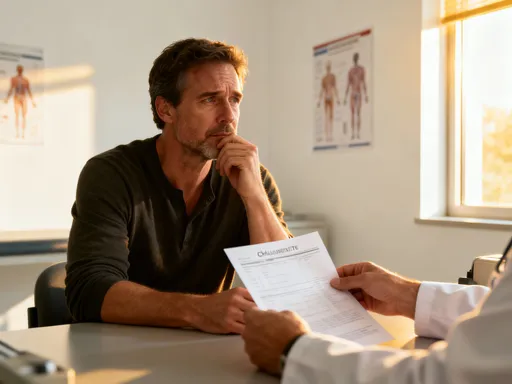
The setback wasn’t just physical. Emotionally, I felt defeated. I questioned whether full recovery was even possible. Frustration turned into anxiety, and motivation plummeted. I began to dread therapy sessions, associating them with pain rather than progress. It was during a follow-up appointment that my physical therapist pointed out a critical gap: I wasn’t listening to my body. I was treating rehab like a race with a finish line, not a process of healing. That conversation became a turning point. I realized that effort alone wasn’t enough — awareness was equally important. Healing required not just movement, but mindfulness, timing, and patience.
From that moment, I shifted my mindset. Instead of asking, "How much can I do today?" I began asking, "How is my body responding today?" This subtle change in perspective laid the foundation for a more sustainable recovery. I learned that rehabilitation training is not about proving strength, but about honoring the body’s limits and supporting its natural repair mechanisms. My overexertion wasn’t a sign of dedication — it was a sign of ignorance. True progress meant stepping back, observing, and adjusting. That lesson, hard-earned, became the cornerstone of my daily health monitoring practice.
Why Health Monitoring Matters in Recovery
Healing is a biological process that unfolds in stages: inflammation, tissue repair, and remodeling. Immediately after an injury, the body initiates an inflammatory response to protect the area and clear damaged cells. This phase, though often uncomfortable, is essential. It sets the stage for rebuilding stronger connective tissue, muscle fibers, or bone, depending on the injury. However, this process is delicate. Pushing too soon can disrupt healing, prolong recovery, or cause re-injury. Health monitoring acts as a feedback system, helping individuals stay within their healing window — the optimal range of activity that supports recovery without causing harm.
Without monitoring, recovery becomes guesswork. Many people rely solely on how they “feel,” but subjective impressions can be misleading. Fatigue might be dismissed as normal, when it’s actually a sign of overtraining. Mild pain might be ignored, even as inflammation silently worsens. Studies in rehabilitation science show that patients who track their symptoms consistently are more likely to adhere to therapy plans and experience fewer setbacks. Tracking provides objective data that complements professional guidance, enabling individuals to make informed decisions about daily activity levels.
Moreover, monitoring supports long-term progress by revealing patterns. For example, someone recovering from a shoulder injury might notice that certain movements cause delayed soreness the next day. Without tracking, this connection might go unnoticed. With a record, the pattern becomes clear, allowing for timely adjustments. This level of insight transforms recovery from a passive experience into an active, responsive process. It empowers individuals to become co-managers of their healing, working in partnership with healthcare providers rather than simply following instructions blindly.
What to Monitor: Key Signs During Rehab
Effective health monitoring focuses on specific, measurable indicators that reflect the body’s response to rehabilitation. The first and most obvious is pain. However, not all pain is the same. Discomfort during or after exercise — often described as a mild ache or tightness — can be a normal part of rebuilding strength. This type of sensation typically fades within a few hours. In contrast, sharp, stabbing, or persistent pain is a warning sign. It suggests that tissue stress has exceeded healing capacity. Learning to distinguish between these types of pain is crucial. A simple 0 to 10 pain scale, recorded daily, helps identify trends and prevent overexertion.
Another essential metric is range of motion. After an injury, joints often stiffen, and muscles shorten. Tracking improvements in flexibility — such as how far you can bend a knee or lift an arm — provides concrete evidence of progress. Measuring range of motion weekly with a goniometer, or even with simple visual cues, adds objectivity to recovery. Strength changes are equally important. These can be assessed through functional tasks, like standing from a chair without using hands or holding a plank for increasing durations. Small, consistent gains in strength indicate that rehabilitation training is effective and safe.
Equally significant are indirect indicators: sleep quality, energy levels, and mood. Poor sleep can impair tissue repair, as growth hormone release peaks during deep sleep. Persistent fatigue may signal that the body is under too much stress. Similarly, mood fluctuations — irritability, low motivation, or anxiety — can reflect physical strain or inadequate recovery. These factors are interconnected. For instance, poor sleep may lead to low energy, which affects exercise tolerance, which in turn influences pain perception. Monitoring them together offers a holistic view of recovery, beyond just the injured area.
Simple Tools for Daily Tracking
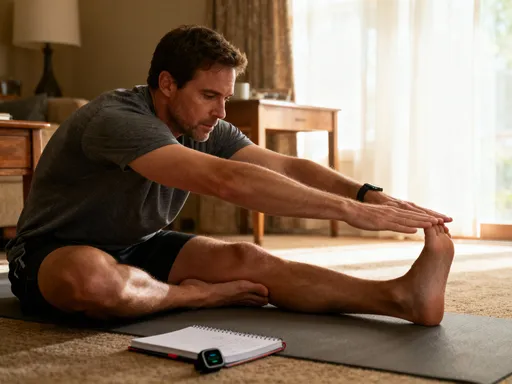
Tracking doesn’t require advanced technology. A simple notebook or printed log can be highly effective. Each day, individuals can record pain levels, exercises completed, sleep duration, and overall energy. Using a consistent format — such as a checklist or table — makes data easier to review. Over time, this journal becomes a valuable reference, revealing what activities support healing and which ones trigger setbacks. For those who prefer digital tools, several reputable health apps offer customizable rehab tracking features. These allow users to log symptoms, set reminders for exercises, and generate progress charts, all in one place.
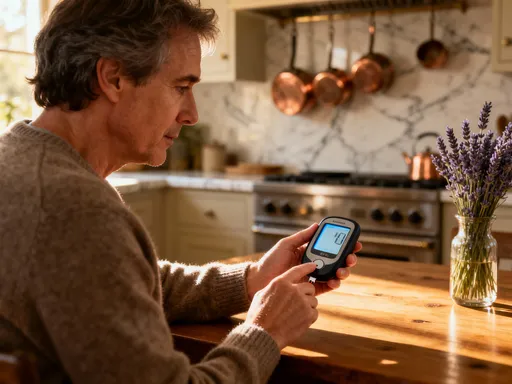
Wearable devices have also made monitoring more accessible. Fitness trackers and smartwatches can measure heart rate, sleep stages, step count, and even heart rate variability — a marker of physiological stress. While these tools don’t diagnose conditions, they provide useful context. For example, an elevated resting heart rate might indicate that the body is still recovering from yesterday’s activity, signaling the need for rest. Similarly, tracking sleep efficiency — the percentage of time in bed spent actually sleeping — can highlight issues that affect recovery. These devices work best when used in combination with self-assessment, not as standalone solutions.
Daily body check-ins are another practical strategy. Taking two minutes in the morning and evening to scan the body can reveal subtle changes. Questions like “Do my joints feel stiff?” “Is swelling present?” or “Do I feel rested?” guide this practice. Some people use a traffic light system: green for feeling good, yellow for caution (mild discomfort or fatigue), and red for stop (sharp pain or significant swelling). This method promotes mindfulness and encourages early intervention. When used consistently, these simple tools create a feedback loop that keeps recovery on track and prevents minor issues from becoming major setbacks.
Building a Systematic Routine
A structured routine turns monitoring into a habit. The most effective rehab plans include three elements: movement, rest, and feedback. Movement should be purposeful and aligned with therapy goals. Rest is not passive — it’s an active part of healing, allowing tissues to repair and the nervous system to reset. Feedback, provided by daily tracking, ties these elements together. For example, if a person logs increased pain after a certain exercise, they can adjust the next session by reducing intensity or modifying the movement. This creates a responsive cycle of action and reflection.
Weekly reviews are a powerful tool for long-term success. Setting aside 15 minutes each week to look back at the tracking data helps identify patterns. Did pain increase on days with longer walks? Did energy improve after better sleep? These insights inform adjustments to the rehab plan. Rather than making changes based on guesswork, individuals can respond to actual data. This approach fosters confidence and reduces anxiety about doing too much or too little. It also supports communication with healthcare providers, who can use the information to refine treatment strategies.
Goal setting is another key component. Realistic, measurable goals — such as “walk 20 minutes without pain” or “lift arm to shoulder height” — provide direction and motivation. Tracking progress toward these goals makes achievements visible, even when they seem small. Celebrating these milestones, whether by noting them in a journal or sharing with a support person, reinforces positive behavior. Over time, this builds a sense of agency. Recovery is no longer something that happens to you — it becomes something you actively shape through daily choices and consistent observation.
When to Seek Professional Guidance
Daily monitoring enhances self-awareness, but it does not replace professional care. There are clear red flags that require medical attention. Persistent pain that doesn’t improve with rest, increasing swelling, joint instability, or sudden loss of function should never be ignored. Similarly, unexplained fatigue, dizziness, or changes in skin color around the injured area may indicate complications. These symptoms warrant prompt consultation with a doctor or physical therapist.
Regular check-ins with healthcare providers are essential, even when progress seems steady. Professionals can perform objective assessments, such as strength testing or gait analysis, that go beyond self-monitoring. They can also adjust treatment plans based on clinical findings. When patients bring tracking data to appointments, it improves the quality of care. Instead of relying on memory, they can show trends over time. This leads to more accurate diagnoses and personalized recommendations. For example, a therapist might notice that pain spikes every time step count exceeds 5,000, suggesting a need to gradually increase activity rather than jump to higher targets.
Monitoring also strengthens the patient-provider relationship. It shows commitment to recovery and opens meaningful dialogue. Instead of vague statements like “I feel worse,” a patient can say, “My pain increased from 3 to 6 over three days after adding squats.” This specificity allows for targeted interventions. Ultimately, health monitoring is not about self-diagnosis — it’s about collaboration. It empowers individuals to participate actively in their care while staying within safe, professional boundaries.
Staying Motivated: Progress Over Perfection
Recovery is rarely linear. Plateaus are common, and setbacks happen. Without monitoring, these moments can feel like failure. But when data is available, it provides perspective. A weekly chart might show that while pain fluctuated, overall range of motion improved by 15 degrees over six weeks. This kind of evidence counters discouragement and reinforces patience. It shifts the focus from immediate results to long-term trends, which is where true healing occurs.
Seeing improvement over time has emotional benefits. Many people report feeling more in control, less anxious, and more optimistic when they track their progress. The act of recording small wins — like sleeping through the night or walking without a limp — builds confidence. It also fosters gratitude for the body’s resilience. This mindset is crucial for long-term recovery, especially for chronic conditions or injuries with extended healing times. Motivation is sustained not by dramatic breakthroughs, but by the quiet accumulation of positive changes.
Creating a sustainable mindset means accepting that recovery is a process, not an event. It requires consistency, not perfection. Some days will be better than others, and that’s normal. Health monitoring supports this acceptance by providing a balanced view. It captures both challenges and successes, allowing individuals to respond with compassion and wisdom. Over time, this practice cultivates resilience — the ability to adapt, adjust, and keep moving forward, even when progress feels slow. That resilience becomes a lasting gift, extending beyond physical healing into everyday life.
Rehabilitation training isn’t a sprint — it’s a journey guided by listening, learning, and adapting. Health monitoring turned my recovery from guesswork into a clear, manageable process. By tracking my body’s signals, I gained confidence and control. This systematic approach isn’t just helpful — it’s essential. And while every recovery is different, one thing is true for all: paying attention changes everything. Always consult a healthcare professional to support your journey.