What I Wish I Knew Earlier About Bone Rehab
Bone health isn’t just about avoiding fractures—it’s about how well your body recovers when things go wrong. I learned this the hard way during my own rehab journey. What seemed like smart choices at first actually slowed my progress. Turns out, many of us make the same mistakes: overestimating rest, underestimating movement, or skipping key recovery steps. This isn’t about miracle fixes, but real, science-backed strategies that support healing—without the common pitfalls. Understanding how bones truly heal, what supports that process, and what can hinder it is essential, especially for women in midlife who may already be navigating changes in bone density. The journey back to strength is not passive—it requires intention, consistency, and the right kind of care.
The Hidden Struggle of Bone Recovery
Bone recovery is often misunderstood as a simple waiting game—set the bone, keep it still, and let time do the rest. But the reality is far more complex. Bones are living tissues that constantly remodel themselves, even after an injury. When a fracture occurs, the body initiates a highly coordinated biological response involving inflammation, repair, and remodeling phases. During these stages, specialized cells called osteoblasts lay down new bone, while osteoclasts remove damaged tissue. This dynamic process doesn’t happen in isolation—it depends heavily on blood flow, mechanical stimulation, and nutritional support. Without proper engagement, healing can stall or become incomplete.
Many people assume that rest alone will lead to recovery, but prolonged inactivity can actually weaken surrounding muscles and joints, leading to what’s known as disuse atrophy. This loss of muscle mass not only slows mobility but also reduces the mechanical signals that stimulate bone rebuilding. The skeletal system thrives on controlled stress—too little movement deprives bones of the cues they need to regenerate effectively. In fact, research shows that early, appropriate loading of a healing bone can enhance callus formation and improve alignment. This means that recovery is not about avoiding use, but about using the injured area in the right way, at the right time.
For women over 30, particularly those approaching or beyond menopause, bone recovery carries additional considerations. Declining estrogen levels naturally affect bone density, making fractures more likely and healing potentially slower. Yet, this demographic often receives generalized advice that doesn’t account for these physiological shifts. A one-size-fits-all approach to rest and recovery may inadvertently prolong disability. Recognizing bone healing as an active, biologically driven process empowers individuals to take informed steps—moving beyond passive waiting toward engaged rehabilitation.
Pitfall #1: Over-Relying on Immobilization
Immobilization through casts, braces, or splints plays a crucial role in stabilizing fractures during the initial healing phase. However, when used excessively or beyond the recommended duration, immobilization can do more harm than good. One of the most significant consequences is reduced circulation to the injured area. Blood flow delivers oxygen and essential nutrients needed for tissue repair, and when movement is restricted for too long, circulation diminishes. This creates a less favorable environment for healing and increases the risk of complications such as joint stiffness, swelling, and even blood clots in extreme cases.
Another common issue is the development of joint contractures—permanent shortening of muscles or tendons due to lack of use. This often occurs in limbs that remain immobilized for several weeks. Once these changes set in, regaining full range of motion becomes significantly more difficult, requiring extended physical therapy. Moreover, surrounding muscles begin to weaken rapidly; studies indicate that muscle strength can decline by up to 12% per week during complete inactivity. For someone recovering from a wrist or ankle fracture, this means that by the time the cast comes off, they may struggle with basic daily tasks like gripping objects or walking steadily.
The solution lies in a balanced approach—protecting the injury while safely introducing movement as soon as medically appropriate. Many orthopedic specialists now advocate for early mobilization protocols, where patients begin gentle, controlled exercises under supervision. For example, someone with a forearm fracture might start finger and shoulder movements within days of casting. These small actions maintain circulation, preserve muscle tone, and prepare the body for more advanced rehab. The key is coordination with a healthcare provider to determine when and how to introduce motion without compromising structural integrity.
Pitfall #2: Ignoring Nutrition Beyond Calcium
Calcium is widely recognized as essential for bone health, and for good reason—it’s the primary mineral in bone tissue. But focusing solely on calcium is like building a house with bricks and no mortar. Bone repair requires a symphony of nutrients working together. Vitamin D is critical because it enables the body to absorb calcium from the gut. Without sufficient vitamin D, even high calcium intake goes largely unused. Yet, deficiency in this vitamin is surprisingly common, especially among individuals with limited sun exposure or those living in northern latitudes.
Protein is another cornerstone of bone healing. Collagen, the main protein in bone, provides the structural framework upon which minerals are deposited. Adequate dietary protein supports collagen synthesis and helps maintain muscle mass during recovery. Unfortunately, many people—particularly older adults—consume less protein than needed, which can delay tissue repair and increase frailty. Magnesium, zinc, and vitamin K2 also play vital roles. Magnesium assists in converting vitamin D into its active form, zinc supports cell division during tissue regeneration, and vitamin K2 directs calcium to bones rather than allowing it to accumulate in soft tissues like arteries.
A balanced diet rich in whole foods naturally provides these nutrients. Dairy products, leafy greens, fatty fish, nuts, seeds, legumes, and lean meats are all valuable sources. For instance, salmon offers both vitamin D and high-quality protein, while spinach provides magnesium and vitamin K. Supplements can help fill gaps, but they should not replace a nutritious diet. Relying on pills alone without addressing overall eating patterns often leads to suboptimal outcomes. The goal is to nourish the body comprehensively, creating an internal environment where healing can proceed efficiently and completely.
Pitfall #3: Skipping Physical Therapy or Doing It Wrong
Physical therapy is one of the most underutilized yet powerful tools in bone rehabilitation. Many people attempt to manage recovery on their own, relying on internet searches or generic exercise videos. While well-intentioned, this approach carries risks. Without professional guidance, individuals may perform exercises with incorrect form, place uneven stress on healing bones, or push too hard too soon. These missteps can lead to setbacks, prolonged pain, or even re-injury. The human body is complex, and rehabilitation must be tailored to the specific type of fracture, location, severity, and individual health status.
A licensed physical therapist evaluates not just the injury site but also posture, gait, muscle imbalances, and functional limitations. From this assessment, they design a personalized program that progresses safely over time. Early stages may involve gentle range-of-motion exercises to prevent stiffness. As healing advances, resistance training and weight-bearing activities are gradually introduced to stimulate bone remodeling. These exercises do more than restore strength—they improve coordination, balance, and proprioception, reducing the risk of future falls and fractures.
One of the most important benefits of professional therapy is accountability and feedback. A therapist can detect subtle movement compensations that the individual might not notice, such as favoring one side or using improper joint alignment. Correcting these patterns early prevents long-term dysfunction. Additionally, therapists provide education on proper body mechanics for daily activities—how to sit, stand, lift, and move safely. This knowledge empowers patients to protect their bones beyond the clinic setting, turning recovery into a sustainable lifestyle practice.
The Role of Consistency and Patience in Healing
Healing a bone takes time—often weeks or months—and progress is rarely linear. One week may bring noticeable improvement, while the next feels like a step backward. This unpredictability can be emotionally taxing, especially for individuals used to managing busy households, careers, or caregiving responsibilities. The temptation to rush the process is strong. Some may increase exercise intensity too quickly, skip recommended rest periods, or compare their recovery to others’. But bone healing cannot be forced; it follows its own biological timeline, influenced by age, nutrition, overall health, and adherence to rehabilitation protocols.
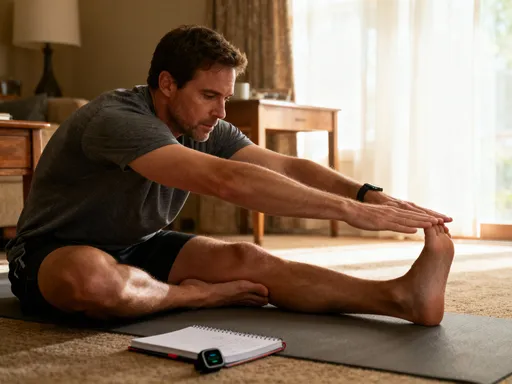
Research consistently shows that consistent, moderate activity yields better long-term outcomes than sporadic, intense efforts. The body responds best to regular, low-impact stimulation that gradually increases over time. Think of it like training for a marathon—one doesn’t start with a 10-mile run. Similarly, bone rehab begins with small, manageable movements and builds from there. Tracking incremental improvements—such as being able to walk a little farther, lift a light object, or experience less nighttime discomfort—can help maintain motivation during slow phases.
Patience is not passive resignation; it’s an active choice to honor the body’s natural rhythms. It involves listening to pain signals without fear, resting when needed, and celebrating non-scale victories. Journaling progress, using mobility aids as recommended, and maintaining open communication with healthcare providers all support this mindset. Over time, consistent effort compounds, leading to stronger, more resilient bones. The journey may be slow, but each day of mindful care lays another foundation for lasting recovery.
When to Seek Professional Help (And Why It Matters)
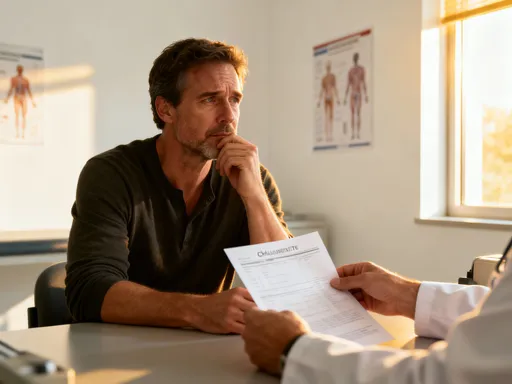
While self-care is important, there are clear signs that professional intervention is necessary. Persistent or worsening pain after the initial healing phase is not normal and should not be ignored. Swelling that doesn’t subside, redness around the injury, or unusual warmth may indicate infection or poor circulation. Difficulty bearing weight, joint instability, or a feeling that the bone isn’t healing properly are also red flags. In some cases, a fracture may not unite correctly, leading to a condition called nonunion or malunion, which requires medical evaluation and possible intervention.
Imaging studies such as X-rays or bone scans can provide objective insight into the healing process. These tools allow doctors to assess callus formation, alignment, and bone density changes. Based on findings, treatment plans can be adjusted—whether that means extending immobilization, modifying exercises, or considering additional therapies like bone stimulation devices. Regular follow-ups ensure that recovery stays on track and complications are caught early.
Another reason to seek help is lack of functional improvement. If, after several weeks of home efforts, there’s no increase in mobility or strength, it may indicate that the rehabilitation approach needs refinement. A physical therapist or orthopedic specialist can reassess the situation and introduce new strategies. The goal is not just to heal the bone but to restore full function. Professional guidance bridges the gap between intention and effectiveness, ensuring that effort translates into results.
Building Long-Term Bone Resilience
Recovery doesn’t end when the cast is removed or pain subsides. True rehabilitation extends into long-term bone health maintenance. This means adopting habits that support skeletal strength and reduce future injury risk. Weight-bearing exercises such as walking, stair climbing, dancing, or light resistance training are among the most effective ways to build and preserve bone density. These activities create mechanical stress that signals bones to become denser and stronger over time. Even small amounts of daily activity add up—just 30 minutes of brisk walking most days can make a meaningful difference.
Fall prevention is another critical component, especially for women over 50. Simple home modifications—like installing grab bars in bathrooms, removing throw rugs, improving lighting, and wearing supportive footwear—can significantly reduce accident risk. Balance training through practices like tai chi or yoga enhances stability and coordination. Good posture, both while sitting and standing, also protects the spine and reduces strain on joints.
Nutrition continues to play a central role. A lifelong commitment to a balanced diet rich in bone-supportive nutrients helps maintain skeletal integrity. Staying hydrated, avoiding excessive alcohol, and refraining from smoking further support tissue health. Regular bone density screenings, especially for those with risk factors like family history or hormonal changes, allow for early detection of issues like osteopenia or osteoporosis. With timely interventions, bone loss can often be slowed or even reversed.
Ultimately, bone rehab is not just about recovering from a single injury—it’s about cultivating a resilient body for the long haul. The choices made during recovery set the stage for future mobility, independence, and quality of life. By avoiding common pitfalls, embracing science-based strategies, and working collaboratively with healthcare professionals, women can rebuild not only their bones but their confidence in their bodies’ ability to heal and thrive.
True bone rehab goes beyond mending a break—it’s about rebuilding smarter. Avoiding common pitfalls makes all the difference between a full recovery and lingering weakness. With the right knowledge, support, and patience, your bones can regain strength and resilience. The journey isn’t quick, but every careful step forward counts.