You Won’t Believe How Fast These Moves Turn Back Time
Aging doesn’t have to mean slowing down. I used to feel stiff, tired, and out of sync with my body—until I discovered simple, science-backed exercises that made a real difference. In just minutes a day, I gained energy, better posture, and a sharper mind. This isn’t about extreme workouts or magic fixes. It’s about smart, sustainable movement that fights aging from the inside out. Let me show you how it works.
The Hidden Truth About Aging and Movement
Many believe that aging inevitably leads to stiffness, fatigue, and a gradual withdrawal from physical life. The truth, however, is far more empowering: much of what we associate with getting older is not caused by time itself, but by a lack of consistent movement. Research from the National Institute on Aging shows that sedentary behavior accelerates biological aging, contributing to conditions once thought to be unavoidable consequences of growing older. One of the most well-documented effects is sarcopenia—the progressive loss of muscle mass and strength that begins as early as age 30 and accelerates after 50. Without intervention, adults can lose up to 3% to 5% of their muscle mass each decade, leading to weakness, reduced mobility, and increased dependence.
But here's the breakthrough: this decline is not written in stone. Studies confirm that physical inactivity—not age—is the primary driver behind many aging-related changes. Joints stiffen not because they’re old, but because they’re underused. The synovial fluid that lubricates joints circulates best through movement, and without regular motion, tissues become tight and less elastic. Similarly, metabolic rate slows when muscle mass decreases, making weight management more difficult and increasing the risk of chronic conditions like type 2 diabetes and heart disease. The body is designed to move, and when it doesn’t, systems begin to degrade.
This reframes exercise as something more than a tool for weight control or fitness—it becomes a form of maintenance, like oiling the gears of a well-used machine. Movement preserves function, supports internal balance, and helps regulate inflammation, a key factor in many age-related diseases. According to the American College of Sports Medicine, adults who remain physically active experience slower declines in cardiovascular health, cognitive function, and bone density. The message is clear: aging is inevitable, but decline is optional. By embracing daily movement, individuals can protect their independence, vitality, and quality of life far into later years.
Why Quick, Daily Movement Beats Long Workouts
The idea of spending hours in the gym can feel overwhelming, especially for those juggling family, work, or health limitations. The good news is that long, intense workouts are not required to combat aging. What matters more is consistency—how often you move, not how long or hard you push. Emerging research supports the power of short, frequent bursts of activity. A study published in the journal Medicine & Science in Sports & Exercise found that just five to ten minutes of light movement every few hours significantly improves circulation, enhances mitochondrial efficiency, and helps regulate blood sugar levels. These small efforts add up, creating a cumulative effect that supports long-term health.
One key concept is non-exercise activity thermogenesis (NEAT), which refers to the calories burned through everyday activities like standing, walking, or even fidgeting. According to research from the Mayo Clinic, NEAT can vary by up to 2,000 calories per day between individuals, making it a major factor in metabolic health. People who incorporate more movement into their daily routines—standing while talking on the phone, taking the stairs, or pacing during TV commercials—naturally burn more energy and maintain better insulin sensitivity. This kind of movement also helps prevent the negative effects of prolonged sitting, which has been linked to increased risks of cardiovascular disease and early mortality.
Short movement sessions are also easier to sustain. When exercise feels like a chore, it’s less likely to become a habit. But integrating brief, manageable routines into existing daily patterns—such as doing shoulder rolls while waiting for the kettle to boil or stretching after standing from a chair—removes the barrier of time and effort. These micro-movements keep joints lubricated, muscles engaged, and the nervous system active. Over time, they build resilience. The goal isn’t perfection or intensity; it’s consistency. By moving frequently throughout the day, even in small ways, individuals create a lifestyle that naturally resists the physical effects of aging.
The 4 Foundational Movement Types That Fight Aging
To truly slow the effects of aging, a well-rounded approach is essential. Not all movement is equal when it comes to longevity. Science identifies four key types of exercise that, when combined, create a full-spectrum defense against age-related decline: mobility, strength, balance, and aerobic efficiency. Each addresses a specific challenge that arises with age, and neglecting any one area can leave the body vulnerable.
Mobility focuses on maintaining or restoring the full range of motion in joints. As people age, inactivity leads to shortened muscles and stiff connective tissues, making everyday movements harder. Regular mobility work keeps joints healthy, improves posture, and reduces discomfort. Strength training, particularly using body weight or resistance, combats muscle loss and supports bone density. Strong muscles also improve glucose metabolism, reducing the risk of metabolic disorders. Without strength, simple tasks like carrying groceries or rising from a chair become difficult, increasing dependence.
Balance is often overlooked but is critical for preventing falls, a leading cause of injury in older adults. Good balance reflects a strong connection between the brain and body, relying on the nervous system’s ability to process sensory input and coordinate movement. Training balance enhances proprioception—the body’s awareness of its position in space—and supports coordination and confidence in movement. Finally, aerobic efficiency refers to the body’s ability to use oxygen during activity. Activities like brisk walking, cycling, or swimming improve heart and lung function, support circulation, and enhance endurance. Together, these four movement types form a complete system for maintaining function, independence, and vitality.
Integrating all four ensures that no aspect of physical health is neglected. Mobility keeps the body flexible, strength preserves muscle and bone, balance prevents injury, and aerobic activity supports internal systems. The combination not only slows aging but enhances daily life, making movement easier, safer, and more enjoyable.
Daily 5-Minute Mobility Routine (With Step-by-Step Guide)
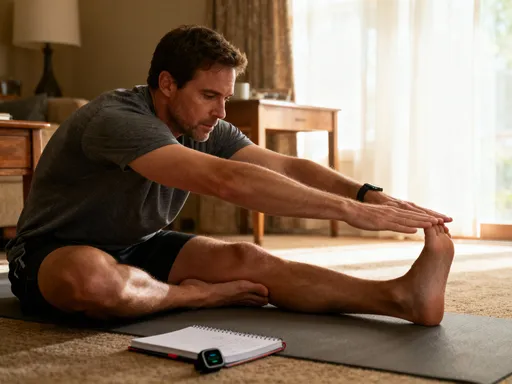
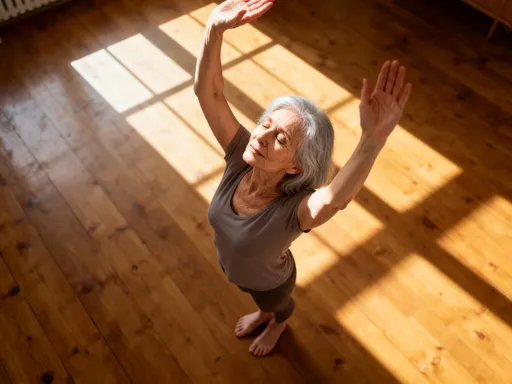
Stiffness is often one of the first signs of aging, but it doesn’t have to be permanent. A simple, five-minute mobility routine can significantly improve joint function and reduce discomfort. This no-equipment sequence is ideal for mornings, after long periods of sitting, or before bedtime. Each movement should be performed slowly and with control, breathing deeply throughout. Aim for 8 to 10 repetitions per side, or 30 seconds per movement.
Begin with neck glides: Sit or stand tall, gently tuck the chin toward the chest, then slowly glide the head back until it’s aligned over the shoulders. This restores natural neck posture and relieves tension from screen use. Next, perform shoulder rolls: Roll the shoulders forward in a circular motion for 10 repetitions, then reverse. This loosens the upper back and improves shoulder range of motion. Follow with spine twists: Sit upright, place hands on shoulders, and gently rotate the upper body to the right, then the left. This enhances spinal mobility and eases lower back stiffness.
Move to hip openers: Stand and lift one knee toward the chest, gently pulling it closer with both hands. Hold for 15–20 seconds, then switch sides. This releases tight hip flexors, which often shorten from prolonged sitting. Finish with ankle circles: Lift one foot off the ground and slowly rotate the ankle clockwise and counterclockwise for 15 seconds each direction. This improves circulation and joint health in the lower legs.
Performing this routine daily can lead to noticeable improvements in posture, reduced muscle tension, and smoother movement throughout the day. It requires no special skills or equipment, making it accessible to nearly everyone. Over time, consistent mobility work helps maintain independence, prevents stiffness from becoming chronic, and supports overall physical comfort.
Strength That Lasts: Simple Bodyweight Exercises for Longevity
Muscle is more than just strength—it’s metabolic insurance. Maintaining muscle mass supports healthy blood sugar levels, improves joint stability, and enhances daily function. The good news is that building and preserving strength doesn’t require weights or a gym. Three simple bodyweight exercises—wall push-ups, chair squats, and standing heel raises—are highly effective for long-term health and can be done at home with minimal space.
Wall push-ups are a safe, low-impact way to strengthen the chest, shoulders, and arms. Stand facing a wall, arms extended at shoulder height, palms flat. Slowly bend the elbows to bring the chest toward the wall, then push back to start. Keep the core engaged and the body in a straight line. Aim for 10 to 15 repetitions. As strength improves, move to an incline (like a countertop) or progress to floor push-ups. This exercise supports upper body function, making tasks like lifting or reaching easier.
Chair squats build leg strength and improve hip and knee mobility. Stand in front of a sturdy chair, feet shoulder-width apart. Slowly lower the hips back and down as if sitting, lightly tapping the chair, then stand back up. Keep the chest lifted and knees behind the toes. Perform 10 to 12 repetitions. This movement strengthens the glutes and quadriceps, muscles essential for walking, climbing stairs, and standing from a seated position.
Standing heel raises target the calves and support ankle stability. Hold onto a counter or wall for balance, then slowly rise onto the balls of the feet, pause, and lower back down. Perform 15 to 20 repetitions. Strong calves improve circulation and reduce the risk of falls. These exercises should be done with control, focusing on form over speed. Start with one set and gradually build to two or three. Consistency is more important than intensity. Over time, this routine helps preserve muscle, supports bone health, and enhances functional independence.
Balance Training: The Silent Anti-Aging Superpower
Balance is rarely a priority—until it’s lost. Yet it’s one of the most powerful predictors of long-term health and independence. Poor balance increases the risk of falls, which can lead to fractures, hospitalization, and loss of mobility. But balance training is not just about preventing accidents; it strengthens the brain-body connection. The nervous system relies on constant feedback from the muscles, joints, and inner ear to coordinate movement. When this system weakens, coordination suffers, and movements become less precise.
Two simple exercises can make a significant difference: single-leg stands and tandem walking. For single-leg stands, stand near a wall or counter for support. Lift one foot off the ground and balance on the other leg for 20 to 30 seconds. Switch sides. As balance improves, try letting go of support or closing the eyes briefly. This exercise enhances proprioception and engages the core and leg muscles.
Tandem walking—also known as heel-to-toe walking—improves dynamic balance. Walk in a straight line, placing one foot directly in front of the other so the heel of the front foot touches the toes of the back foot. Take 10 to 15 steps, using a wall for support if needed. This movement challenges coordination and mimics real-life situations like walking on uneven surfaces.
Practicing balance for just a few minutes a day strengthens neural pathways linked to motor control and cognitive function. Studies show that balance training can improve attention, processing speed, and even memory. It’s a quiet but powerful way to support both physical and mental health. Over time, better balance leads to increased confidence in movement, reduced fear of falling, and greater independence in daily life.
Putting It All Together: A Realistic Daily Plan
Sustainability is the key to lasting results. The most effective anti-aging movement plan is not one that requires hours of effort, but one that fits naturally into daily life. By integrating the four foundational movement types—mobility, strength, balance, and aerobic efficiency—into existing routines, individuals can build resilience without disruption. The goal is not perfection, but consistency.
Start the day with the 5-minute mobility routine while drinking morning tea or coffee. This wakes up the joints and prepares the body for movement. During television commercials, perform a set of wall push-ups, chair squats, and heel raises. These three exercises take less than five minutes and maintain muscle strength. While brushing teeth, practice single-leg stands—30 seconds on each side. This turns a daily habit into a balance workout. After meals, take a 10-minute walk around the block or in the house. This supports digestion, regulates blood sugar, and boosts circulation.
These small actions add up to about 15 minutes of intentional movement each day—enough to make a measurable difference. The beauty of this plan is its flexibility. It doesn’t require special equipment, a gym membership, or a strict schedule. It works with real life. Over time, this consistent, low-effort approach leads to higher energy levels, improved posture, better sleep, and a greater sense of well-being. Most importantly, it helps maintain independence—the ability to move freely, safely, and confidently through the years.
Aging is a natural part of life, but it doesn’t have to come with decline. The body responds to how it’s used. By choosing to move regularly, with purpose and care, individuals can preserve their strength, balance, and vitality. These simple, science-backed practices are not about turning back time in a dramatic way, but about making each year feel better than the last. The power to age well is already within reach—one small movement at a time.