Your Heart’s Quiet Cry: What I Learned About Eating for Cardiovascular Health
Ever felt that subtle tightness in your chest after climbing stairs? I did—and it scared me. Turns out, your heart talks, but only if you’re willing to listen. The truth is, what we eat doesn’t just shape our waistlines; it shapes our arteries, blood pressure, and long-term vitality. I’ve tested simple dietary shifts myself, and the changes were noticeable. This isn’t about extreme diets or magic fixes—it’s about consistent, science-backed eating principles that support heart health naturally. The heart, though resilient, sends quiet signals when under strain. Recognizing those signals early, and responding with intention, can redefine the trajectory of our health.
The Wake-Up Call: When My Body Spoke
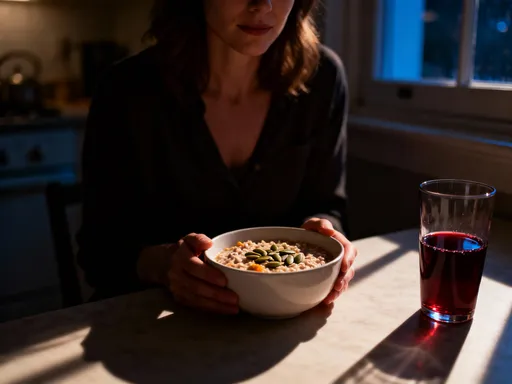
It started with something small—a slight shortness of breath while carrying groceries up the front steps. Then came the occasional tightness behind the sternum after a rich meal. At first, I dismissed it as fatigue, the inevitable toll of juggling work, family, and home. But when I found myself pausing mid-conversation to catch my breath, I knew something was wrong. A visit to my doctor confirmed what I’d feared: elevated blood pressure and borderline high cholesterol. There were no dramatic symptoms, no emergency room visit—just the slow, silent buildup of risk factors that had gone unnoticed for years.
Cardiovascular disease often reveals itself too late. Unlike acute illnesses with sudden fevers or sharp pains, heart problems creep in quietly. The arteries harden gradually, the blood pressure rises incrementally, and the body adapts—until it can’t. This insidious progression is why early intervention is so critical. According to the American Heart Association, nearly half of all adults in the United States have some form of cardiovascular disease, yet many remain unaware until a serious event occurs. The body speaks in whispers before it shouts, and diet is one of the loudest, yet most overlooked, contributors to that conversation.
What I realized in that doctor’s office was that my daily choices—what I ate, how I moved, how I managed stress—had been shaping my heart health long before I noticed any symptoms. The meals I rushed through, the snacks I grabbed out of convenience, the salt I sprinkled without thinking—all of it had added up. But with that realization came hope: if my habits had contributed to the problem, they could also be part of the solution.
Heart Health Isn’t Just Luck—It’s Choice
Many people believe heart disease is inevitable if it runs in the family. While genetics do play a role, research consistently shows that lifestyle factors are far more influential for most individuals. A landmark study published in The New England Journal of Medicine found that over 90% of heart attacks could be attributed to modifiable risk factors, with diet ranking among the most significant. This means that even with a family history, the power to protect your heart lies largely in your daily decisions.
The idea that heart health is predetermined by DNA can be a dangerous excuse for inaction. Yes, some rare genetic conditions like familial hypercholesterolemia increase risk substantially. But for the vast majority, arterial damage develops over time due to poor nutrition, physical inactivity, and chronic stress. Each unhealthy meal contributes to inflammation, oxidative stress, and plaque formation in the arteries. These changes are not immediate, but they are cumulative. The good news? They are also reversible to a significant extent with consistent, positive changes.
Understanding this shift—from passive acceptance to active responsibility—was transformative. I stopped seeing my health as something that happened to me and began viewing it as something I could influence. This mindset change made the journey toward better eating not a punishment, but a promise. A promise to myself, my family, and my future. And once I embraced that, the motivation to change became personal and enduring.
Food as Foundation: Why Diet Tops Pills
Medications like statins and antihypertensives play an important role in managing heart disease, especially for those already diagnosed. But while pills can lower numbers, they don’t address the root cause. Diet, on the other hand, works at the source. What we eat directly influences blood pressure, cholesterol levels, and systemic inflammation—all key drivers of cardiovascular risk. Unlike medication, which often targets a single pathway, nutrition affects multiple systems simultaneously, offering a broader, more sustainable impact.
Consider cholesterol. Statins help reduce LDL (low-density lipoprotein), often called “bad” cholesterol, but they don’t eliminate the need for dietary control. In fact, studies show that combining medication with a heart-healthy diet leads to better outcomes than medication alone. Foods high in soluble fiber—such as oats, beans, and apples—naturally bind to cholesterol in the digestive system and help remove it from the body. Omega-3 fatty acids from fatty fish and flaxseeds reduce triglycerides and inflammation. Antioxidants in colorful fruits and vegetables protect blood vessels from oxidative damage. These are not minor effects—they are powerful, measurable contributions to cardiovascular protection.
Population studies further underscore the power of food. The traditional Mediterranean diet, rich in olive oil, whole grains, legumes, vegetables, and moderate fish and wine, has been linked to significantly lower rates of heart disease. The Lyon Diet Heart Study, for example, found that individuals who adopted a Mediterranean-style diet after a heart attack reduced their risk of a second event by nearly 70% compared to those on a standard low-fat diet. Similarly, communities in Okinawa, Japan, known for exceptional longevity, consume a diet centered on sweet potatoes, soy, vegetables, and minimal processed foods—another model of heart-protective eating. These are not fads; they are time-tested patterns rooted in real-world health outcomes.
The Core Principles: What Actually Works
When it comes to heart-healthy eating, the fundamentals are simple but profound. The first principle is to prioritize whole, minimally processed foods. This means choosing foods as close to their natural state as possible—fruits, vegetables, whole grains, legumes, nuts, seeds, and lean proteins. These foods are rich in nutrients and low in added sugars, sodium, and unhealthy fats. In contrast, processed foods often contain hidden ingredients that silently harm the heart, such as trans fats, high-fructose corn syrup, and excessive sodium.
Healthy fats are another cornerstone. For decades, fat was vilified, but modern science has clarified that not all fats are equal. Unsaturated fats—found in avocados, olive oil, nuts, and fatty fish—are essential for heart health. They help reduce LDL cholesterol while maintaining or even increasing HDL (high-density lipoprotein), the “good” cholesterol. Replacing butter with olive oil, snacking on almonds instead of chips, or adding avocado to a salad are small changes with significant benefits. The key is consistency, not perfection.
Fiber is equally important. A high-fiber diet supports healthy digestion, stabilizes blood sugar, and lowers cholesterol. The recommended daily intake is around 25 to 30 grams, yet most adults consume far less. Whole grains like quinoa, brown rice, and barley, along with beans, lentils, and vegetables, are excellent sources. One study found that for every additional 10 grams of fiber consumed daily, the risk of heart disease decreased by 17%. That’s the amount in just one cup of cooked lentils or two medium apples.
Reducing sodium and added sugars is also critical. Excess sodium contributes to high blood pressure by increasing fluid retention, while added sugars—especially in sugary drinks—promote weight gain, insulin resistance, and inflammation. The American Heart Association recommends no more than 2,300 milligrams of sodium per day, with an ideal limit of 1,500 milligrams for most adults. For added sugars, the limit is 25 grams per day for women and 36 grams for men. Reading labels is essential, as sodium and sugar hide in unexpected places—canned soups, bread, sauces, and even breakfast cereals.
Finally, protein choices matter. While animal proteins like lean poultry and fish can be part of a heart-healthy diet, increasing plant-based proteins—such as beans, tofu, tempeh, and lentils—has been shown to lower cardiovascular risk. These foods are naturally low in saturated fat and high in fiber and phytonutrients. A balanced approach includes both, with an emphasis on variety and moderation.
Small Swaps, Big Results: Making It Practical
Knowing what to eat is one thing; doing it every day is another. The key to lasting change is making it manageable. Instead of overhauling your entire diet overnight, focus on small, sustainable swaps. For example, replace white rice with brown rice or quinoa. Use whole wheat pasta instead of refined. Choose plain Greek yogurt over flavored varieties, and sweeten it yourself with fresh fruit. These changes don’t require drastic effort but lead to meaningful improvements over time.
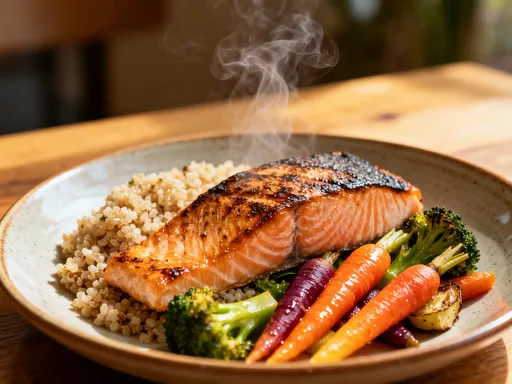
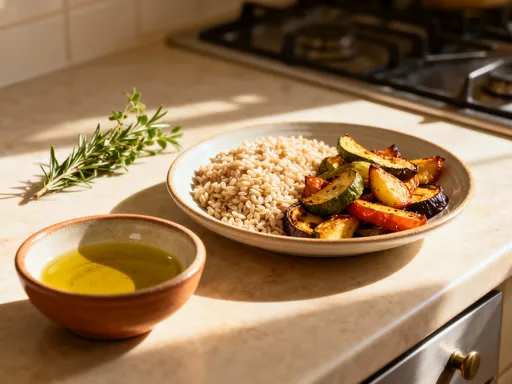
Cooking at home is one of the most effective ways to control what you eat. Restaurant meals and takeout often contain excessive salt, sugar, and unhealthy fats. By preparing meals at home, you can choose quality ingredients, adjust seasoning, and manage portion sizes. Start with simple recipes—roasted vegetables with olive oil and herbs, grilled salmon with a side of quinoa, or a hearty lentil soup. Meal planning and batch cooking can save time during busy weeks and reduce the temptation to reach for convenience foods.
Learning to read nutrition labels is another powerful tool. Look beyond the front-of-package claims like “low-fat” or “natural,” which can be misleading. Check the ingredient list: the shorter and more recognizable, the better. Watch for hidden sugars—ingredients like cane juice, malt syrup, or dextrose are all forms of added sugar. Similarly, avoid products with hydrogenated oils, which indicate the presence of trans fats. Aim for items with less than 200 milligrams of sodium per serving and at least 3 grams of fiber.
Visualizing a balanced plate can also guide daily choices. Imagine your dinner plate divided into sections: half filled with non-starchy vegetables like broccoli, spinach, or peppers; one-quarter with lean protein such as grilled chicken, tofu, or beans; and one-quarter with whole grains like brown rice or sweet potato. Add a small portion of healthy fat—perhaps a drizzle of olive oil or a few slices of avocado. This simple framework ensures nutrient diversity and portion control without requiring calorie counting.
Beyond the Plate: Habits That Multiply Benefits
Diet is foundational, but it doesn’t work in isolation. Sleep, stress management, hydration, and physical activity all interact with nutrition to influence heart health. Poor sleep, for example, has been linked to higher blood pressure and increased inflammation. Chronic stress triggers the release of cortisol, a hormone that can raise heart rate and blood pressure over time. Managing stress through mindfulness, deep breathing, or gentle movement like yoga can help mitigate these effects.
Hydration is another often-overlooked factor. Water supports blood volume and circulation, helping the heart pump more efficiently. Dehydration can lead to thicker blood and increased strain on the cardiovascular system. Aim for about eight cups of water daily, more if you’re active or in a hot climate. Herbal teas and water-rich foods like cucumbers and watermelon also contribute to fluid intake.
Physical activity, even in modest amounts, enhances the benefits of a healthy diet. Walking for 30 minutes a day can lower blood pressure, improve cholesterol levels, and reduce inflammation. You don’t need a gym membership or intense workouts—consistent movement is what counts. Taking the stairs, gardening, or dancing with your kids all add up. The synergy between diet and activity creates a multiplier effect: good nutrition fuels better movement, and movement improves how the body uses nutrients.
A Lifelong Promise, Not a Quick Fix
Heart health is not a destination; it’s a daily practice. There will be days when you eat something less than ideal, when stress overrides your best intentions, or when you skip a walk. That’s okay. What matters is the overall pattern. Research shows that consistency—not perfection—drives long-term outcomes. People who follow a heart-healthy diet about 80% of the time still see significant benefits. The goal is progress, not flawlessness.
Every small choice adds up. Choosing water over soda, walking after dinner, adding an extra serving of vegetables—these acts may seem minor, but over months and years, they translate into preserved heart function, reduced medication needs, and more years of active, vibrant life. Studies estimate that adopting five key healthy behaviors—maintaining a healthy weight, not smoking, eating well, exercising regularly, and drinking in moderation—can extend life expectancy by up to 14 years.
In the end, caring for your heart is about more than avoiding disease. It’s about honoring the organ that sustains you every second of every day. It’s about making peace with your body and committing to its well-being. The heart is not a machine to be exploited until it breaks. It is a partner—silent, faithful, and resilient. And with mindful eating and intentional living, we can listen to its quiet cry, respond with care, and walk forward with strength and gratitude.